

Hair and skin
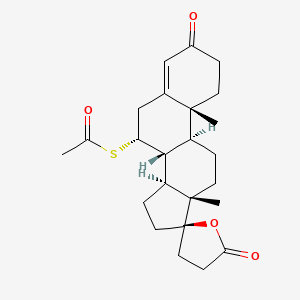
Spironolactone
A mineralocorticoid-receptor antagonist with heart-failure evidence and separate acne evidence in adult women; potassium and hormonal effects matter.
Randomized human evidence in severe heart failure and adult female acne
Also known as: Aldactone
Practical use
Applying the explained evidence
- Where it fits
- A mineralocorticoid-receptor antagonist with heart-failure evidence and separate acne evidence in adult women; potassium and hormonal effects matter.
- Put the information into practice
- Neither reducing fluid weight nor improving acne establishes that spironolactone makes androgen use safe. The clinical populations and monitoring conditions are essential to interpreting benefits.
- Define the change you want to assess
- Record the specific concern and its time course. When evaluating a claim, look for a matching diagnosis, a defined measurement and an appropriate comparison rather than relying on a before-and-after photograph alone.
- Keep this limit in view
- RALES evaluated clinical outcomes in severe disease; scale weight cannot establish electrolyte safety or organ protection.
Overview
Spironolactone blocks aldosterone signaling, changing sodium and potassium handling. It also has antiandrogenic effects. Heart failure, selected edema and hypertension indications differ from acne use, which is not listed as an Aldactone US indication.
Risks and limitations
Hyperkalemia, low blood pressure and worsening kidney function can occur. Potassium supplements, potassium-containing salt substitutes, ACE inhibitors and ARBs increase concern; NSAIDs can further complicate renal effects. Gynecomastia and sexual or menstrual effects are relevant. Pregnancy requires specific medical review.
How to read this
Neither reducing fluid weight nor improving acne establishes that spironolactone makes androgen use safe. The clinical populations and monitoring conditions are essential to interpreting benefits.
Research explained
RALES: severe systolic heart failure
Who was studied
1,663 patients with severe heart failure and ejection fraction no greater than 35%, receiving background cardiac treatment. Trial stopped early after mean follow-up of 24 months.
- Spironolactone: all-cause deaths
- 35 percent
- Placebo: all-cause deaths
- 46 percent
What was found
Deaths occurred in 35% with spironolactone and 46% with placebo (relative risk 0.70; 95% CI 0.60 to 0.82). Gynecomastia or breast pain affected 10% of treated men versus 1% with placebo.
What it cannot establish
This was treatment of established severe disease with clinical selection and follow-up. Low serious-hyperkalemia frequency in the trial does not erase risk in less selected patients.
Read the original studySAFA: acne in adult women
Who was studied
410 women randomized; 342 included in the primary analysis. Persistent facial acne judged to warrant oral antibiotics; topical treatments could continue.
- Spironolactone: reported improvement at week 24
- 82 percent
- Placebo: reported improvement at week 24
- 63 percent
What was found
The adjusted Acne-QoL difference was 1.27 points at week 12 (95% CI 0.07 to 2.46), increasing to 3.45 at week 24 (2.16 to 4.75). Self-reported improvement at week 24 was 82% versus 63%.
What it cannot establish
Week-12 self-reported improvement was not significantly different. Results concern adult women, not men using anabolic steroids. Missing primary-analysis data and continued topical treatments matter.
Read the original studyDifferent conditions, different benefits
RALES measured death and heart-failure outcomes, not cosmetic water loss. Applying that mortality effect to otherwise healthy physique users would be unsupported.
Supporting sourceAcne improvement developed over time
SAFA showed a larger difference at 24 than 12 weeks. A short early comparison would miss part of the observed response; that does not justify self-adjusting treatment.
Supporting sourcePotassium retention is part of the mechanism
Renal function and serum potassium need clinical monitoring. Existing hyperkalemia, Addison disease and concurrent eplerenone are contraindications in the label.
Supporting sourceHormonal effects are not incidental
Breast symptoms were markedly more frequent in men in RALES. An antiandrogen effect useful in one clinical context may be unwanted in another.
Supporting sourceTrial tolerability is not universal reassurance
SAFA reported more headache with spironolactone (20% versus 12%) and no serious adverse reactions. That selected acne population cannot define safety for kidney disease or multidrug use.
Supporting sourceClaims versus findings
Incomplete
A diuretic can be judged by the amount of water weight lost.
RALES evaluated clinical outcomes in severe disease; scale weight cannot establish electrolyte safety or organ protection.
Check the evidenceCommon questions
Does SAFA show how to treat acne in male steroid users?
No. The trial recruited adult women with persistent acne, a different clinical population.
SourceSources
RALES: severe systolic heart failure
Sources checked 2026-09-29.
General education; not a personal treatment plan.