

Metabolic medicines
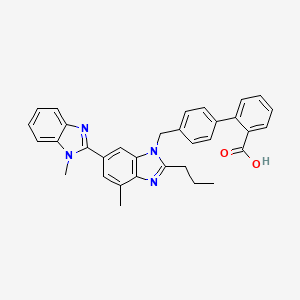
Telmisartan
An angiotensin-receptor blocker used in cardiovascular care; more blood-pressure reduction does not automatically mean better clinical outcomes.
Human trials / population-specific evidence
Also known as: Micardis
Practical use
Applying the explained evidence
- Where it fits
- An angiotensin-receptor blocker used in cardiovascular care; more blood-pressure reduction does not automatically mean better clinical outcomes.
- Put the information into practice
- Blood pressure is a risk marker and treatment target, but outcome trials are needed to establish effects on stroke, heart attack, heart failure and kidney disease.
- The outcome being treated
- Identify whether the evidence concerns a diagnosed condition, body weight, appetite or a laboratory marker. Check which outcomes were measured and over what follow-up before transferring a finding to another goal.
- Keep this limit in view
- These are high-risk clinical populations. Similar outcomes between two active medicines do not show absence of benefit versus no treatment.
Overview
Telmisartan blocks the angiotensin receptor. It should be understood as a prescription cardiovascular medicine rather than a protective add-on that makes performance-drug use safe.
Risks and limitations
Label warnings include fetal toxicity, excessive blood-pressure reduction and elevated potassium. Kidney disease, potassium supplements, potassium-sparing medicines and other renin–angiotensin-system drugs can change the risk. Pregnancy exposure requires immediate contact with the prescriber.
How to read this
Blood pressure is a risk marker and treatment target, but outcome trials are needed to establish effects on stroke, heart attack, heart failure and kidney disease.
Research explained
ONTARGET clinical outcomes
Who was studied
Large randomized trial in patients at high vascular risk, comparing telmisartan, ramipril and their combination.
What was found
The primary cardiovascular composite occurred in 16.7% with telmisartan, 16.5% with ramipril and 16.3% with the combination. The differences did not establish superior prevention with the combination. Total mortality also did not significantly differ between telmisartan and ramipril.
What it cannot establish
These are high-risk clinical populations. Similar outcomes between two active medicines do not show absence of benefit versus no treatment.
Read the original studyAmbulatory blood-pressure substudy
Who was studied
ONTARGET substudy with 422 participants assessed before and after treatment and 408 assessed during treatment.
What was found
Average 24-hour systolic pressure fell approximately 2.0 mmHg with ramipril, 2.1 with telmisartan and 5.3 with combination treatment. Greater lowering with combination therapy did not translate into greater cardiovascular or renal protection.
What it cannot establish
This illustrates why a more impressive laboratory or monitoring value cannot substitute for clinical outcomes.
Read the original studyInteractions and interpretation
Potassium-containing salt substitutes, potassium supplements and potassium-sparing diuretics can compound potassium risk. Combining medicines that affect the renin–angiotensin system requires careful review of blood pressure, renal function and electrolytes.
Supporting sourceSources
Ambulatory blood-pressure substudy
Interactions and interpretation
Sources checked 2026-09-28.
General education; not a personal treatment plan.