

Hormone medicines
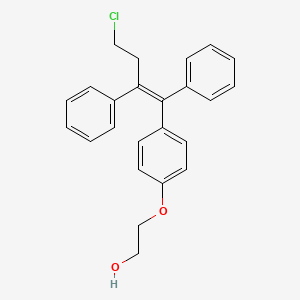
Ospemifene
A selective estrogen receptor modulator for painful intercourse or vaginal dryness due to menopausal tissue changes.
Randomized menopausal dyspareunia trial; short-term symptom and tissue outcomes; checked 2026-10-01
Also known as: Osphena · Senshio
Practical use
Clinical purpose, evidence and review questions
- Describe the concern precisely
- Separate dryness, pain, bleeding, arousal and desire when seeking evaluation.
- Bring vascular and cancer history
- These factors affect whether the product’s safety restrictions apply.
- Measure meaningful relief
- Track the symptom that led to care and any new hot flushes or bleeding.
Overview
Ospemifene has estrogen-agonist and antagonist effects that vary by tissue. US Osphena is indicated for moderate-to-severe dyspareunia or vaginal dryness caused by menopausal vulvar and vaginal atrophy. It is not a general libido medicine or a treatment for every cause of painful intercourse.
Risks and limitations
Thromboembolic and endometrial concerns matter. Unexplained genital bleeding, estrogen-dependent neoplasia, prior clot or arterial-thrombotic disease and pregnancy are contraindications. Hot flushes may occur. Postmenopausal bleeding needs evaluation; sudden chest pain, breathlessness or neurological symptoms need emergency care.
How to read this
Pain, tissue findings, dryness and desire are different dimensions of sexual health. Improvement in a tissue-related pain condition should not be recast as a universal sexual-performance benefit.
Research explained
Twelve-week phase III dyspareunia study
Who was studied
605 postmenopausal women aged 40–80 with vulvovaginal atrophy and moderate-to-severe painful intercourse randomized double-blind to ospemifene (303) or placebo (302).
What was found
Ospemifene improved vaginal-cell measures, pH and reported dyspareunia versus placebo. At least one treatment-emergent adverse event was reported by 61.4% versus 51.0%; treatment-related hot flushes by 6.6% versus 3.6%.
What it cannot establish
A 12-week study does not resolve uncommon or long-term harms. The population had a specific menopausal tissue disorder; other pain causes and low desire require separate evidence.
Read the original studyThe symptom needs the correct explanation
The indication ties pain or dryness to menopausal tissue atrophy. Infection, pelvic disorders and other causes are not ruled out by the existence of this drug.
Supporting sourceStatistical improvement is not universal relief
A group difference can coexist with nonresponders and adverse effects. Ask about the actual symptom change rather than relying only on a P value.
Supporting sourceClaims versus findings
Incorrect
An oral SERM treats every cause of painful sex.
The studied and labeled condition is menopause-related vulvar and vaginal atrophy.
Check the evidenceCommon questions
Did the cited study measure a universal increase in sexual desire?
No. Its key endpoints were tissue measures, pH and pain during intercourse.
SourceSources
Twelve-week phase III dyspareunia study
US prescribing information; checked October 1, 2026
Sources checked 2026-10-01.
General education; not a personal treatment plan.