

Hormone medicines
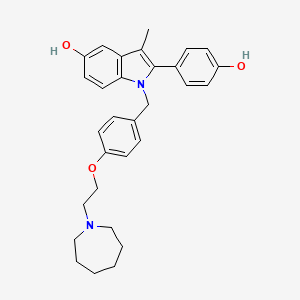
Bazedoxifene
A selective estrogen receptor modulator whose US use is in a specific combination for menopausal symptoms and osteoporosis prevention.
Randomized menopausal combination evidence; selected trial reviewed 2026-10-01
Also known as: Duavee
Practical use
Clinical purpose, evidence and review questions
- Identify the formulation
- Record whether the source studied bazedoxifene alone or bazedoxifene with estrogens.
- State the goal
- Separate hot-flash relief, bone-density change and actual fracture outcomes.
- Bring relevant history
- Discuss unexplained bleeding, clot history and the complete hormone-medication list with the treating team.
Overview
Bazedoxifene acts differently across estrogen-sensitive tissues. In the US, Duavee combines it with conjugated estrogens for moderate-to-severe menopausal hot flashes and prevention of postmenopausal osteoporosis in women with a uterus. The combination is not an aromatase inhibitor or a general treatment for high estradiol.
Risks and limitations
The combination carries clot and stroke concerns and is contraindicated with unexplained uterine bleeding, certain cancers, prior thromboembolism and liver disease. New postmenopausal bleeding requires assessment. Chest pain, sudden breathlessness or focal neurological symptoms need emergency care.
How to read this
Keep the estrogen component visible when interpreting a study. A selective receptor effect does not mean every tissue is protected or that findings transfer to men using androgens.
Research explained
SMART-5: endometrium and bone density
Who was studied
1,843 postmenopausal women aged 40–65 with an intact uterus, randomized in a blinded trial to combination therapy, bazedoxifene alone, another hormone therapy or placebo. Primary outcomes were assessed at 12 months.
What was found
Endometrial hyperplasia occurred in fewer than 1% and was similar among groups. Bazedoxifene/estrogen combinations increased spine and hip bone density versus placebo. Bleeding and breast-tenderness patterns differed from the estrogen/progestin comparator.
What it cannot establish
The outcomes were one-year endometrial histology and bone density, not a comprehensive demonstration of fracture prevention, cancer prevention or cardiovascular safety.
Read the original studyA receptor modulator is tissue-specific
Bazedoxifene limits estrogen stimulation of the endometrium in the studied combination. That does not make it interchangeable with medicines that reduce estrogen synthesis.
Supporting sourceBone density is not a fracture count
SMART-5 measured density changes. A better scan result should not be restated as a proven percentage reduction in clinical fractures.
Supporting sourceClaims versus findings
Incorrect
A SERM is a universal estrogen blocker.
Tissue responses differ; the Duavee indication and precautions concern a defined estrogen-containing product.
Check the evidenceCommon questions
Did fewer than 1% with hyperplasia prove no future uterine cancer risk?
No. A low one-year rate of a precursor finding cannot exclude longer-term cancer risk.
SourceSources
SMART-5: endometrium and bone density
US prescribing information; checked October 1, 2026
Sources checked 2026-10-01.
General education; not a personal treatment plan.