

Metabolic medicines
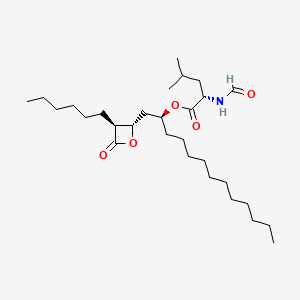
Orlistat
An intestinal lipase inhibitor with modest long-term weight effects and a 2026 FDA kidney-risk warning update.
Four-year randomized trial; updated regulatory safety surveillance
Also known as: Xenical · alli
Practical use
Applying the explained evidence
- Where it fits
- An intestinal lipase inhibitor with modest long-term weight effects and a 2026 FDA kidney-risk warning update.
- Put the information into practice
- The relevant outcomes are the additional effect beyond lifestyle treatment, how missing follow-up changes that estimate, and what adverse-event reports can and cannot quantify.
- The outcome being treated
- Identify whether the evidence concerns a diagnosed condition, body weight, appetite or a laboratory marker. Check which outcomes were measured and over what follow-up before transferring a finding to another goal.
- Keep this limit in view
- FDA’s 2026 warning specifically covers nonprescription alli as well as consistency across orlistat products.
Overview
Orlistat inhibits digestive lipases, reducing absorption of dietary fat. It acts differently from appetite-targeting incretin medicines. Prescription Xenical and OTC alli have different product indications and labeling; OTC availability does not eliminate medical risks.
Risks and limitations
Oily stools, urgency, gas and leakage are characteristic adverse effects. Absorption of fat-soluble vitamins and some medicines can be affected. Chronic malabsorption and cholestasis are contraindications. Rare serious liver injury and oxalate-related kidney injury have been reported.
How to read this
The relevant outcomes are the additional effect beyond lifestyle treatment, how missing follow-up changes that estimate, and what adverse-event reports can and cannot quantify.
Research explained
XENDOS: four-year weight and diabetes outcomes
Who was studied
3,305 adults with BMI at least 30; 79% had normal glucose tolerance and 21% impaired glucose tolerance. Both groups received lifestyle intervention.
- Orlistat: mean weight loss at four years
- 5.8 kg
- Placebo: mean weight loss at four years
- 3 kg
What was found
Mean loss was 5.8 kg with orlistat versus 3.0 kg with placebo. Cumulative diabetes incidence was 6.2% versus 9.0%, a 2.8-percentage-point difference.
What it cannot establish
Only 52% and 34% completed treatment. Carrying baseline weight forward for dropouts yielded smaller losses of 3.6 versus 1.4 kg. Detectable diabetes benefit was concentrated in the impaired-glucose-tolerance subgroup.
Read the original studyFDA 2026 review: kidney injury reports
Who was studied
FDA reviewed reports and literature through December 2023 and announced updated OTC labeling on June 10, 2026.
What was found
Twelve reported kidney-complication cases were identified; eight involved hospitalization and five dialysis. The review supported warnings for kidney injury and stones across OTC and prescription orlistat.
What it cannot establish
Reports lack a reliable denominator and may be incomplete or confounded. Twelve reports cannot be converted into an incidence rate or a personal probability.
Read the original studyA fat-absorption effect is not unlimited fat loss
XENDOS tested treatment with lifestyle changes. The additional average loss was 2.8 kg over four years.
Supporting sourceMissing follow-up matters
The smaller sensitivity-analysis estimate shows why assumptions about dropouts affect the headline result.
Supporting sourceRecognizing the kidney warning
Back or groin pain, painful urination, blood in urine, leg swelling or reduced urination require prompt assessment. FDA advises stopping OTC alli and seeking medical advice if these occur.
Supporting sourceInteractions are not limited to weight-loss medicines
Cyclosporine, levothyroxine, warfarin, seizure medicines and some antiretrovirals need specific review. Reduced absorption can undermine another treatment even when systemic orlistat exposure is low.
Supporting sourceA lower scale reading is not proof of lean-mass preservation
The trial did not establish preserved strength or muscle, or benefits of performance-drug combinations.
Supporting sourceClaims versus findings
Incorrect
An OTC product cannot cause serious kidney injury.
FDA’s 2026 warning specifically covers nonprescription alli as well as consistency across orlistat products.
Check the evidenceCommon questions
Did every person without diabetes receive the same preventive benefit?
No. XENDOS detected the diabetes-incidence difference in the subgroup with impaired glucose tolerance, not uniformly across the entire cohort.
SourceSources
XENDOS: four-year weight and diabetes outcomes
FDA 2026 review: kidney injury reports
Sources checked 2026-09-29.
General education; not a personal treatment plan.