

Metabolic medicines
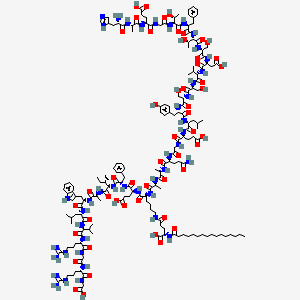
Liraglutide
A GLP-1 medicine with separate randomized evidence for weight management and cardiovascular outcomes in type 2 diabetes.
Large randomized human trials; indication-specific benefits
Also known as: Saxenda · Victoza
Practical use
Applying the explained evidence
- Where it fits
- A GLP-1 medicine with separate randomized evidence for weight management and cardiovascular outcomes in type 2 diabetes.
- Put the information into practice
- Weight change and cardiovascular events answer different questions. Neither outcome establishes prevention of anabolic-steroid injury or a benefit from combining weight-loss medicines.
- The outcome being treated
- Identify whether the evidence concerns a diagnosed condition, body weight, appetite or a laboratory marker. Check which outcomes were measured and over what follow-up before transferring a finding to another goal.
- Keep this limit in view
- LEADER studied high-risk type 2 diabetes, not anabolic-steroid exposure.
Overview
Liraglutide activates the GLP-1 receptor, affecting appetite, glucose-dependent insulin secretion and gastric emptying. Saxenda and Victoza contain the same molecule but have different approved indications; their product instructions are not interchangeable.
Risks and limitations
Nausea, vomiting, diarrhea and constipation are common. Important warnings include pancreatitis, gallbladder disease, dehydration-related kidney injury, increased heart rate and severe allergy. Persistent severe abdominal pain, especially radiating to the back, needs urgent assessment. Insulin and sulfonylureas increase hypoglycemia risk.
How to read this
Weight change and cardiovascular events answer different questions. Neither outcome establishes prevention of anabolic-steroid injury or a benefit from combining weight-loss medicines.
Research explained
SCALE: weight management at 56 weeks
Who was studied
3,731 adults without type 2 diabetes who had obesity, or overweight with hypertension or dyslipidemia; blinded randomization with lifestyle support in both groups.
- Liraglutide: mean weight loss
- 8.4 kg
- Placebo: mean weight loss
- 2.8 kg
What was found
Average loss was 8.4 kg with liraglutide and 2.8 kg with placebo, a 5.6 kg difference (95% CI 5.1 to 6.0). At least 5% weight loss occurred in 63.2% versus 27.1%; more than 10% in 33.1% versus 10.6%.
What it cannot establish
The population was 78.5% women and had mean baseline weight 106.2 kg. Missing results used last-observation-carried-forward analysis. These averages do not predict a lean athlete’s response.
Read the original studyLEADER: cardiovascular events
Who was studied
9,340 people with type 2 diabetes and high cardiovascular risk; liraglutide or placebo added to usual care, median follow-up 3.8 years.
- Liraglutide: primary cardiovascular event
- 13 percent
- Placebo: primary cardiovascular event
- 14.9 percent
What was found
Cardiovascular death, nonfatal heart attack or nonfatal stroke occurred in 13.0% versus 14.9% (HR 0.87; 95% CI 0.78 to 0.97). Cardiovascular death was 4.7% versus 6.0%.
What it cannot establish
This was a different population and treatment program from SCALE. High-risk diabetes results cannot quantify benefit in healthy people or users of performance drugs.
Read the original studyWeight loss is not a muscle-preservation result
SCALE’s weight endpoint combines all changes in body mass. It does not establish that every kilogram lost was fat or that strength and lean tissue were preserved.
Supporting sourceReading the cardiovascular result
The event percentages differ by 1.9 percentage points over the reported follow-up. The hazard ratio describes time-to-event risk; it is not a 13-percentage-point absolute reduction.
Supporting sourceThyroid warning and stomach conditions
The boxed warning follows thyroid C-cell tumors in rodents; relevance to humans is uncertain. A personal or family history of medullary thyroid carcinoma or MEN2 is a contraindication. Severe gastroparesis is another important treatment concern.
Supporting sourceProcedures and medicine reconciliation
Delayed stomach emptying matters before anesthesia and deep sedation. The procedural team needs to know about treatment. The label discourages combining Saxenda with another liraglutide product or GLP-1 receptor agonist.
Supporting sourceWhat the trial comparison cannot tell you
SCALE and trials of newer drugs differ in participants, follow-up and missing-data handling. Comparing headline percentages across separate studies does not create a randomized head-to-head comparison.
Supporting sourceClaims versus findings
Not established
The cardiovascular benefit proves protection during a steroid cycle.
LEADER studied high-risk type 2 diabetes, not anabolic-steroid exposure.
Check the evidenceCommon questions
Does the placebo-adjusted loss mean everyone loses another 5.6 kg?
No. It is the difference between group averages at 56 weeks, with substantial individual variation.
SourceSources
SCALE: weight management at 56 weeks
Sources checked 2026-09-29.
General education; not a personal treatment plan.