

Metabolic medicines
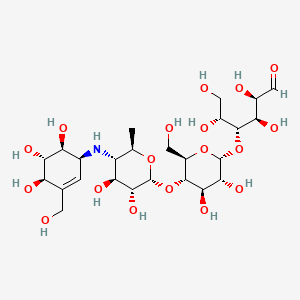
Acarbose
An intestinal carbohydrate-digestion inhibitor with evidence for delayed diabetes onset, but no cardiovascular-event benefit in ACE.
Randomized human prevention trials with differing clinical endpoints
Practical use
Applying the explained evidence
- Where it fits
- An intestinal carbohydrate-digestion inhibitor with evidence for delayed diabetes onset, but no cardiovascular-event benefit in ACE.
- Put the information into practice
- Reducing a glucose excursion, delaying a diabetes diagnosis and preventing a heart attack are separate endpoints. Evidence for one does not establish the others.
- The outcome being treated
- Identify whether the evidence concerns a diagnosed condition, body weight, appetite or a laboratory marker. Check which outcomes were measured and over what follow-up before transferring a finding to another goal.
- Keep this limit in view
- The trial reduced diabetes incidence but not its main cardiovascular endpoint.
Overview
Acarbose inhibits intestinal carbohydrate-digesting enzymes, slowing glucose delivery after meals. Its US indication is improving glycemic control in adults with type 2 diabetes alongside diet and exercise. Preventive trial findings are distinct from that approval.
Risks and limitations
Gas, diarrhea and abdominal discomfort are common. Cirrhosis, inflammatory bowel disease, obstruction and major digestive or absorption disorders are contraindications. Liver-enzyme elevations can occur. Added insulin or sulfonylureas can produce hypoglycemia even though acarbose alone usually does not.
How to read this
Reducing a glucose excursion, delaying a diabetes diagnosis and preventing a heart attack are separate endpoints. Evidence for one does not establish the others.
Research explained
STOP-NIDDM: progression from impaired glucose tolerance
Who was studied
1,429 people randomized; 1,368 included after exclusions for eligibility or missing postrandomization information. Follow-up averaged 3.3 years; diabetes was assessed with oral glucose tolerance testing.
- Acarbose: diabetes during trial
- 32 percent
- Placebo: diabetes during trial
- 42 percent
What was found
Diabetes developed in 32% with acarbose versus 42% with placebo (relative hazard 0.75; 95% CI 0.63 to 0.90). Early treatment discontinuation was 31% versus 19%.
What it cannot establish
Exclusions after randomization and unequal discontinuation complicate interpretation. Increased conversion during a three-month placebo period after treatment emphasizes delayed progression rather than a proven permanent cure.
Read the original studyACE: cardiovascular events versus diabetes diagnoses
Who was studied
6,522 Chinese patients with coronary heart disease and impaired glucose tolerance, median follow-up five years; acarbose or placebo added to cardiovascular prevention treatment.
- Acarbose: cardiovascular events
- 14.4 percent
- Placebo: cardiovascular events
- 14.7 percent
What was found
The cardiovascular composite occurred in 470/3,272 versus 479/3,250 (HR 0.98; 95% CI 0.86 to 1.11). Diabetes developed in 436 versus 513 participants (rate ratio 0.82; 95% CI 0.71 to 0.94).
What it cannot establish
The primary cardiovascular result was negative despite fewer diabetes diagnoses. The population already had coronary disease; findings cannot establish longevity in healthy users.
Read the original studyA glucose benefit did not establish cardiac protection
ACE’s composite included cardiovascular death, heart attack, stroke, unstable-angina admission and heart-failure admission. It did not improve significantly.
Supporting sourceWhy digestive effects are expected
Carbohydrates that escape digestion reach the colon, where fermentation contributes to gas and discomfort. Existing bowel disease changes the risk assessment.
Supporting sourceHypoglycemia has a specific interaction
Acarbose delays sucrose breakdown. The label distinguishes glucose from table sugar when treating hypoglycemia in combination therapy; a clinician-established emergency plan matters.
Supporting sourceTolerability influences real-world value
STOP-NIDDM had more early discontinuation in the active arm. An intervention’s effectiveness depends partly on whether people can continue it.
Supporting sourceWhy older cardiovascular claims differ
An earlier STOP-NIDDM analysis reported fewer cardiovascular events, but only 47 participants had events, with a broad composite and 3.3-year average follow-up. Its signal and ACE’s later null primary result should both remain visible; different populations and endpoints limit direct comparison.
Supporting sourceClaims versus findings
Contradicted by ACE
Preventing diabetes diagnoses means acarbose also prevents cardiovascular events.
The trial reduced diabetes incidence but not its main cardiovascular endpoint.
Check the evidenceCommon questions
Is this a carbohydrate blocker that makes food choices irrelevant?
No. The approved indication remains an adjunct to diet and exercise; its digestive mechanism does not erase overall nutrition or energy balance.
SourceSources
STOP-NIDDM: progression from impaired glucose tolerance
ACE: cardiovascular events versus diabetes diagnoses
Why older cardiovascular claims differ
Sources checked 2026-09-29.
General education; not a personal treatment plan.