

Androgens
Methylstenbolone
A designer steroid with verified human metabolite data and a liver-injury report involving a combined commercial product.
Small human excretion experiment and combination-product case report; evidence checked 2026-10-01
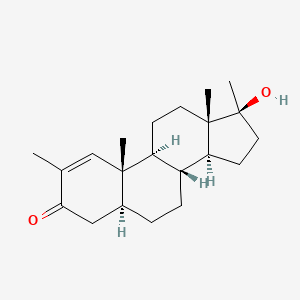
Practical use
Evidence interpretation and concrete review questions
- Retain the full chemical name
- Avoid confusing it with stenbolone or methenolone.
- Report mixtures accurately
- Bring the complete product list to a health review.
- Recognize injury signals
- Jaundice, dark urine and persistent itching warrant prompt assessment.
Identification and urinary metabolites
Overview
Methylstenbolone is 2,17α-dimethyl-17β-hydroxy-5α-androst-1-en-3-one. It is not stenbolone or methenolone. The additional structural changes matter when determining which evidence belongs to it.
Risks and limitations
A cholestatic-jaundice case followed a product containing methylstenbolone and dimethazine. This supports concern about the exposure but cannot isolate the risk contribution of each ingredient.
How to read this
Human administration for analytical research establishes metabolism, not a favorable clinical benefit–harm balance.
Research explained
Identification and urinary metabolites
Who was studied
Chemical analysis of an online product followed by a single-exposure study in four volunteers.
What was found
The product contained methylstenbolone as labeled. Researchers proposed two hydroxylated urinary metabolites based on mass-spectrometric evidence.
What it cannot establish
A four-person analytical study does not establish repeated-use safety, efficacy or the contents of other products.
Read the original studyOne verified label cannot validate a market
The tested sample matched its label; another lot or supplier still requires its own evidence.
Supporting sourceCombination cases need complete ingredient lists
The reported 26-year-old patient had used a product naming both methylstenbolone and dimethazine.
Supporting sourceClaims versus findings
Incorrect
A four-person metabolism study establishes safety.
Its purpose and sample size cannot support that conclusion.
Check the evidenceCommon questions
Can the jaundice report quantify methylstenbolone-alone risk?
No. The product contained another steroid and the report involved one patient.
SourceSources
Identification and urinary metabolites
PubChem chemical identity; checked October 1, 2026
Additional primary or official source
Sources checked 2026-10-01.
General education; not a personal treatment plan.