

Androgens
Dimethazine
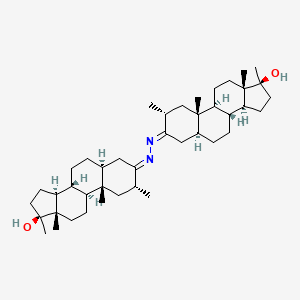
A linked steroid molecule whose experimental breakdown and metabolites overlap with methasterone.
Human-liver/mouse metabolism models plus a combination-product case report; evidence checked 2026-10-01
Also known as: Dymethazine · DMZ
Practical use
Evidence interpretation and concrete review questions
- List every active ingredient
- A brand-level adverse event may involve multiple steroids.
- Preserve timing
- Record exposure and symptom dates for a clinician.
- Recognize concerning symptoms
- Yellowing eyes, dark urine or substantial itching deserve prompt medical assessment.
Overview
Dimethazine, also spelled dymethazine, consists of two methasterone units connected through an azine group. The linkage does not make it a nutrient or establish that it avoids the biological concerns of its related steroid.
Risks and limitations
A human cholestatic-jaundice report involved a product containing both dimethazine and methylstenbolone. It is a real clinical warning but cannot assign the injury solely to either ingredient.
How to read this
Product mixtures and metabolic breakdown both complicate attempts to attribute a benefit or adverse event to one name.
Research explained
Dimethazine metabolism
Who was studied
Human liver microsomes and mice with humanized liver tissue used to investigate a dimethazine product.
What was found
Dimethazine degraded to methasterone in stability work. Methasterone and six additional metabolites associated with it were detected in the experimental systems.
What it cannot establish
Humanized mice and microsomes are not a human safety trial; chemical overlap cannot establish identical clinical exposure.
Read the original studyTwo linked units do not stay a marketing concept
Observed breakdown to methasterone gives a concrete reason to examine the actual chemistry.
Supporting sourceA combination injury has attribution limits
A 26-year-old man developed cholestatic jaundice after a product containing dimethazine and methylstenbolone.
Supporting sourceClaims versus findings
Not established
A linked dimer has been proved safer than methasterone.
The metabolism study did not compare clinical safety.
Check the evidenceCommon questions
Can the combination case identify one guilty ingredient?
No. It supports concern about the product exposure without isolating a single molecule.
SourceSources
PubChem chemical identity; checked October 1, 2026
Additional primary or official source
Sources checked 2026-10-01.
General education; not a personal treatment plan.