

Performance supplements
L-arginine
A nitric-oxide precursor. That mechanism alone does not establish better blood flow, strength or muscle growth from a supplement.
Human exercise trials; limited performance support
Also known as: arginine
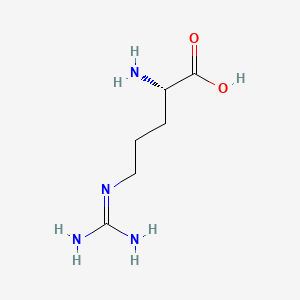
Practical use
Reviewed practical notes
- Before spending money
- Write down the result you want: more completed repetitions, better endurance or another repeatable measure. A mechanism diagram cannot establish that result.
- While reviewing a claim
- Check whether the study measured performance, muscle growth, blood flow or only a blood marker.
- Keep the context
- Medical history matters. The post-heart-attack trial is a reason to avoid casual claims that this supplement protects the heart.
Overview
Arginine is an amino acid obtained from food and made by the body. It participates in nitric-oxide production, which explains its place in pre-workout marketing. The useful question is whether taking more changes an outcome you can measure.
Risks and limitations
Reported concerns include stomach upset and lower blood pressure. A trial after acute myocardial infarction raised a mortality concern; arginine should not be used as a self-directed recovery treatment after a heart attack.
How to read this
Evaluate the actual training outcome rather than the promise of a bigger pump. A temporary hormone change does not tell you whether a supplement builds muscle.
Research explained
Resistance exercise: mechanism versus measured outcome
Who was studied
Eight healthy young men, in two trials with unilateral leg exercise and amino-acid feeding.
What was found
Adding arginine raised circulating arginine and the post-exercise growth-hormone response, but did not increase measured leg blood flow or muscle protein synthesis beyond the comparison feeding.
What it cannot establish
Small, acute experiment. It did not measure long-term muscle growth.
Read the original studyA clinical safety signal in a different population
Who was studied
153 patients after a first ST-elevation myocardial infarction; randomized placebo comparison over six months.
What was found
No improvement in ejection fraction or vascular stiffness. Six participants died in the arginine group and none in the placebo group; enrollment was stopped.
What it cannot establish
This high-risk clinical population is not interchangeable with healthy lifters. The finding rules out treating arginine as automatically heart-protective.
Read the original studyThe pump is not the endpoint
In the resistance-exercise study, a larger growth-hormone response did not translate into greater muscle protein synthesis. Keep those outcomes separate when reading supplement claims.
Supporting sourceSources
NIH exercise-supplement review
Sources checked 2026-10-01.
General education; not a personal treatment plan.