

Performance supplements
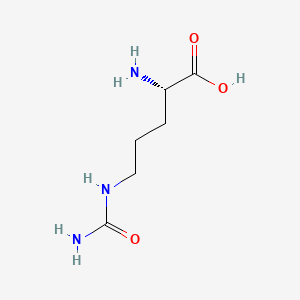
L-citrulline
Citrulline-malate exercise trials conflict; the tested blend, exercise protocol and endpoint matter.
Acute human crossover studies
Practical use
Applying the explained evidence
- Where it fits
- Citrulline-malate exercise trials conflict; the tested blend, exercise protocol and endpoint matter.
- Put the information into practice
- One session’s extra repetitions is not proof of more muscle over months. Exercise selection, repeated-set fatigue and chemical composition can change what the result means.
- Connect evidence to your training
- Specify the outcome you want to improve and a repeatable way to measure it. Check whether the study participants, activity and product match the claim; avoid crediting one supplement for changes made alongside several training or diet changes.
- Keep this limit in view
- The cited value is for one late set in one protocol.
Overview
L-citrulline and citrulline malate are related but not identical products. Most exercise results discussed here tested the malate blend. They cannot automatically establish the effect of pure L-citrulline or every commercial ratio.
Risks and limitations
The positive bench-press study reported stomach discomfort in 14.63% of participants. A later experiment found more cumulative soreness without more completed work. These small acute studies do not establish long-term interaction safety.
How to read this
One session’s extra repetitions is not proof of more muscle over months. Exercise selection, repeated-set fatigue and chemical composition can change what the result means.
Research explained
Repeated bench-press sets
Who was studied
41 men; randomized double-blind two-period acute crossover experiment.
- Extra repetitions in final assessed set
- 52.92 %
What was found
The final assessed set produced 52.92% more repetitions with citrulline malate. Reported soreness was about 40% lower at 24 and 48 hours.
What it cannot establish
The headline percentage belongs to the final set, not the entire session or maximum strength. This was not a hypertrophy trial.
Read the original studyFailure to replicate in another task
Who was studied
Recreationally active men and women; acute blinded crossover using an isokinetic repeated-set protocol.
- Repetitions: active
- 90.9 repetitions
- Repetitions: placebo
- 94 repetitions
What was found
Total repetitions averaged 90.9 with citrulline malate versus 94.0 with placebo (P=0.33). Soreness over 72 hours was higher with the active condition.
What it cannot establish
Different exercise and verified blend composition; the accessible abstract does not state sample size.
Read the original studyWhich citrulline was tested?
The later study chemically examined products and found discrepancies from manufacturer claims. A nominal blend weight need not contain the expected ingredient proportions.
Supporting sourceThe final set can exaggerate the impression
A percentage can become large when placebo repetitions are low late in a fatiguing session; it does not describe every set.
Supporting sourceDifferent tasks can give different answers
Bench press and an isokinetic single-leg task do not impose identical demands. The negative finding should stay visible beside the positive one.
Supporting sourceSoreness is not hypertrophy
Less soreness after one session does not show more contractile tissue later; the bench study did not measure that.
Supporting sourceWhat cannot be inferred
Neither trial validates every pre-workout blend or proves benefit and safety of combining it with other vasoactive products.
Supporting sourceClaims versus findings
Not established
Citrulline means 53% more workout performance.
The cited value is for one late set in one protocol.
Check the evidenceCommon questions
Can I apply malate-blend results directly to pure L-citrulline?
Not automatically: composition was a documented issue in the later trial.
SourceSources
Positive bench-press crossover study
German Volume Training crossover study
Sources checked 2026-09-28.
General education; not a personal treatment plan.