

Growth hormone
Ghrelin
An appetite-related hormone with acute human experiments; stimulating its receptor does not predict a durable muscle, weight or cardiac benefit.
Small randomized acute human studies; durable clinical benefit unestablished
Also known as: Acyl ghrelin
Practical use
Evidence interpretation and clinical context
- Identify the actual intervention
- Separate administered acyl ghrelin from receptor agonists and products claiming to boost natural ghrelin.
- Preserve the time scale
- An acute meal or cardiac-output result should retain its short observation period.
- Look for the missing clinical outcome
- For a heart claim, distinguish output during an experiment from how patients function or survive afterward.
Ghrelin enhances appetite and increases food intake in humans.
Overview
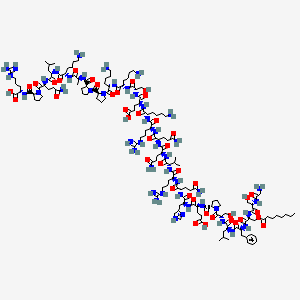
Ghrelin is an endogenous peptide hormone produced predominantly in the stomach. It activates the growth-hormone secretagogue receptor and participates in appetite signaling. Research on synthetic acyl ghrelin tests a defined molecule and exposure, not every product marketed as a ghrelin booster.
Risks and limitations
Small, short experiments cannot define chronic cardiovascular, metabolic or endocrine safety. Absence of arrhythmias during a brief monitored heart-failure experiment is not a long-term safety guarantee.
How to read this
A hormone can have multiple effects at once. Appetite, growth-hormone release and cardiac output should each be evaluated with their own measurement and population.
Research explained
Ghrelin enhances appetite and increases food intake in humans.
Who was studied
Nine healthy volunteers in a randomized double-blind crossover appetite experiment.
What was found
Participants ate an average 28% more energy at a buffet during ghrelin than saline exposure. Appetite ratings increased; the study’s gastric-emptying measure did not change.
What it cannot establish
One meal in nine people does not establish sustained weight gain, improved nutrition or muscle growth.
Read the original studyAcyl ghrelin improves cardiac function in heart failure and increases fractional shortening in cardiomyocytes without calcium mobilization.
Who was studied
31 patients with chronic heart failure and reduced ejection fraction in a randomized, brief infusion study, alongside experiments in isolated mouse heart cells.
What was found
Cardiac output increased during acyl-ghrelin exposure. The monitored experiment did not detect hypotension, tachycardia, arrhythmia or ischemia.
What it cannot establish
The primary outcome was an acute physiological change. Hospitalizations, survival and long-term exercise capacity were not established.
Read the original studyAn experiment is not an indication
The cited trials investigate physiological effects. They do not establish an approved ghrelin treatment for appetite, heart failure or healthy aging.
Supporting sourceWhy agonists need their own trials
Activating the same receptor does not guarantee the same duration of action, tissue exposure or outcome. Anamorelin, capromorelin and relamorelin therefore require separate evidence.
Supporting sourceClaims versus findings
Not supported
A 28% increase at one meal means 28% more muscle growth.
Food intake was measured; chronic muscle growth was not.
Check the evidenceCommon questions
Does a hormone being natural establish supplement safety?
No. Detecting or studying an endogenous signal does not validate the identity, exposure or long-term effects of an external product.
SourceSources
Ghrelin enhances appetite and increases food intake in humans.
Sources checked 2026-10-01.
General education; not a personal treatment plan.