

Growth hormone
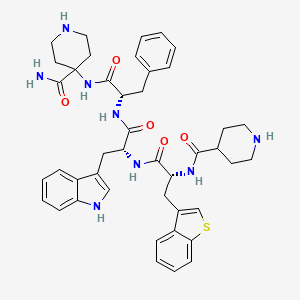
Relamorelin
A ghrelin-receptor agonist studied for diabetic gastroparesis, with faster gastric emptying, mixed symptom findings and a glucose-control concern.
Two randomized diabetic-gastroparesis trials; symptom and metabolic limitations
Also known as: RM-131
Practical use
Evidence interpretation and clinical context
- Check the comparator
- Distinguish improvement since baseline from improvement beyond placebo.
- Keep glucose in the evidence summary
- A symptom benefit should be reported together with the metabolic adverse finding.
- Read the development record
- A phase number describes research, not permission to use or proof of an approved indication.
Current development context — primary or official source
What termination does and does not say — primary or official source
Overview
Relamorelin, also called RM-131, is a peptide agonist of the ghrelin receptor studied as a prokinetic medicine. Its intended effect is to move stomach contents along in diabetic gastroparesis, rather than to establish a general digestion or muscle-building treatment.
Risks and limitations
Worsening glucose control occurred in 14.5% of relamorelin recipients in the phase 2b report. This matters particularly because the studied patients already had diabetes. The report cannot establish safety for people using other unverified peptide products.
How to read this
Gastric emptying is a physiological measurement. Nausea, vomiting and fullness are patient experiences. Improvement in emptying does not guarantee improvement in every symptom.
Research explained
Relamorelin Reduces Vomiting Frequency and Severity and Accelerates Gastric Emptying in Adults With Diabetic Gastroparesis.
Who was studied
204 adults with diabetic gastroparesis in a randomized placebo-controlled trial.
What was found
The primary gastric-emptying measurement improved. Vomiting also improved in a studied group, while other gastrointestinal symptoms did not improve across the whole sample.
What it cannot establish
A subgroup with baseline vomiting showed broader symptom improvement. A selected subgroup is not the same as a positive whole-population result.
Read the original studyEfficacy and Safety of Relamorelin in Diabetics With Symptoms of Gastroparesis: A Randomized, Placebo-Controlled Study.
Who was studied
393 adults with moderate-to-severe diabetic gastroparesis in a 12-week phase 2b trial.
What was found
Vomiting fell 75% from baseline with relamorelin, but the vomiting difference versus placebo was not significant. Other symptom scores and gastric emptying improved; glucose control worsened in some recipients.
What it cannot establish
The 75% headline is a within-group change. It should not be presented as a placebo-adjusted treatment effect.
Read the original studyCurrent development context
The sponsor’s ClinicalTrials.gov record lists the phase 3 study as terminated, with a business decision given as the reason. A discontinued development program is not an approved treatment.
Supporting sourceWhat termination does and does not say
The EMA-filed discontinuation notice says the decision was not driven by new safety signals. That does not erase the glucose-control finding already observed in the earlier trial.
Supporting sourceClaims versus findings
Misleading
Relamorelin reduced vomiting 75% compared with placebo.
The 75% reduction was from baseline; the phase 2b comparison with placebo was not significant.
Check the evidenceCommon questions
Is faster gastric emptying the same as better digestion for everyone?
No. These trials concerned delayed emptying in people with diabetes, and symptom effects varied.
SourceSources
Current development context — primary or official source
What termination does and does not say — primary or official source
Sources checked 2026-10-01.
General education; not a personal treatment plan.