

Nootropics
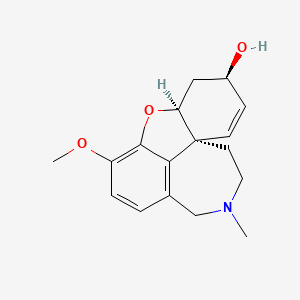
Galantamine
A cholinesterase inhibitor for mild-to-moderate Alzheimer dementia, with measured symptom benefits rather than proof of disease reversal.
Randomized Alzheimer-dementia trial; symptomatic outcomes; checked 2026-10-01
Also known as: Razadyne · Reminyl
Practical use
Clinical purpose, evidence and review questions
- Use concrete examples
- Record changes in conversation, appointments and routine tasks alongside formal scores.
- Include someone who observes daily life
- A caregiver can report eating, fainting, behavior and function that clinic testing misses.
- Bring interaction and organ-function context
- List other cholinergic or anticholinergic medicines and relevant kidney or liver history.
Overview
Galantamine inhibits acetylcholinesterase and increases cholinergic signaling. US tablet labeling concerns mild-to-moderate Alzheimer-type dementia. The clinical evidence is about a diagnosed neurodegenerative condition, not general memory enhancement or treating unexplained brain fog.
Risks and limitations
Common tolerability problems include nausea, vomiting, diarrhea and appetite loss. Cardiac slowing or conduction block, gastrointestinal bleeding and serious skin reactions are important. Kidney or liver impairment can change treatment suitability. Fainting, bleeding or a severe rash warrants prompt assessment.
How to read this
The size and direction of a cognition score matter. A few points of average separation can represent slower decline rather than restored normal memory, and daily function must be considered separately.
Research explained
International six-month Alzheimer trial
Who was studied
653 people with mild-to-moderate Alzheimer disease randomized at 86 outpatient clinics to placebo or one of two galantamine groups; 525 completed six months.
What was found
Compared with placebo, cognitive-scale outcomes favored galantamine by 2.9 and 3.1 ADAS-cog points. Clinician/caregiver global ratings also favored treatment. A functional-scale advantage was reported for the higher studied group.
What it cannot establish
These are scale-point differences over six months, not percentages of memory recovered. The trial did not establish disease reversal or benefit in healthy adults.
Read the original studyScore direction matters
On ADAS-cog, a lower score is better. A treatment–placebo difference is not necessarily improvement above the person’s own starting ability.
Supporting sourceTolerability can affect independence
Appetite loss, gastrointestinal symptoms or fainting may offset a modest symptom benefit. Weight and daily function belong in the same review as memory testing.
Supporting sourceClaims versus findings
Incorrect
A three-point advantage means 30% better memory.
The paper reports points on a particular scale, with no basis for that percentage conversion.
Check the evidenceCommon questions
Does an Alzheimer indication establish benefit for healthy learners?
No. Diagnosis, baseline impairment and outcomes differ from a healthy-learning task.
SourceSources
International six-month Alzheimer trial
US prescribing information; checked October 1, 2026
Sources checked 2026-10-01.
General education; not a personal treatment plan.