

Nootropics
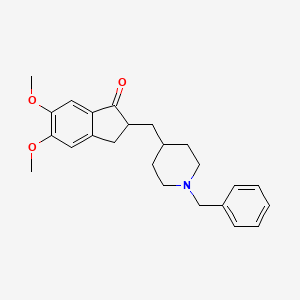
Donepezil
A symptomatic Alzheimer-dementia medicine with modest average cognitive effects; that does not establish prevention or healthy-person enhancement.
Randomized Alzheimer-dementia evidence; endpoint-specific benefit; checked 2026-10-01
Also known as: Aricept
Practical use
Clinical purpose, evidence and review questions
- Choose observable goals
- Bring examples of memory, communication and daily-task difficulties to review.
- Include a caregiver perspective
- Record function and adverse effects that the person may not reliably recall.
- Track tolerability
- Note appetite, weight, gastrointestinal symptoms, fainting and sleep changes alongside benefit.
Overview
Donepezil inhibits acetylcholinesterase, increasing acetylcholine signaling. US Aricept is indicated for Alzheimer-type dementia, including mild, moderate and severe disease. It treats symptoms within a diagnosed condition; its label does not establish cognitive enhancement in otherwise healthy adults.
Risks and limitations
Nausea, diarrhea, vomiting, appetite loss and sleep disturbance are common. Slow heart rate, heart block, fainting, gastrointestinal bleeding and weight loss are clinically important. Anesthesia interactions matter. Fainting, black stools or significant unexplained weight loss require assessment.
How to read this
A test-score difference is useful evidence, but people also care about independence, daily tasks and care needs. These outcomes may not move together.
Research explained
AD2000: longer-term daily function
Who was studied
565 community-dwelling people with mild-to-moderate Alzheimer disease entered a randomized run-in; 486 completing it were rerandomized to donepezil or placebo. Care and disability outcomes were followed for up to three years.
What was found
Over the first two years, cognition averaged 0.8 MMSE points better and function 1.0 BADLS points better. Institutionalization was 42% versus 44% and disability progression 58% versus 59% at three years, with neither difference statistically significant.
What it cannot establish
A selected older trial cannot settle every patient’s benefit. It shows why a small mean score advantage should not be presented as proven prevention of care-home admission or reversal of disease.
Read the original studyDefine a meaningful change before measuring it
A memory score, ability to dress and caregiver workload capture different aspects of the illness. Trial averages do not replace an individualized functional review.
Supporting sourceInclude medicines that oppose the mechanism
Anticholinergic medicines can interfere with cholinesterase-inhibitor effects. A full medication review may explain more than changing one cognition score.
Supporting sourceClaims versus findings
Not established
A statistically better score proves independence will be preserved.
AD2000 found score differences without significant differences in its major disability or institutionalization outcomes.
Check the evidenceCommon questions
Was everyone in this study healthy apart from ordinary forgetfulness?
No. Participants had diagnosed Alzheimer disease; its results cannot be transferred to healthy students or workers.
SourceSources
AD2000: longer-term daily function
US prescribing information; checked October 1, 2026
Sources checked 2026-10-01.
General education; not a personal treatment plan.