

Hormone medicines
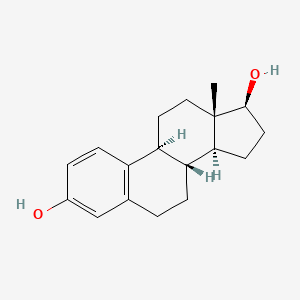
Estradiol
A major endogenous estrogen and prescription hormone; cardiovascular claims require attention to route, timing and the outcome measured.
Randomized vascular-surrogate trial; route and timing limits; checked 2026-10-01
Also known as: 17β-estradiol · E2
Practical use
Clinical purpose, evidence and review questions
- Name the intended benefit
- Separate symptom control from claims about prevention or longevity.
- Record the full context
- Bring product route, menopausal timing, uterus status, bleeding history and relevant vascular history.
- Keep endpoint units
- Millimeters per year describe an imaging measurement, not a percentage reduction in cardiovascular events.
Overview
Estradiol binds estrogen receptors across many tissues. This guide uses US oral-tablet labeling for selected menopausal symptoms, hypoestrogenism and osteoporosis prevention, with other specialized labeled contexts. Oral, transdermal and local vaginal products should retain their own evidence and product information.
Risks and limitations
Important considerations include unexplained genital bleeding, thromboembolic history, liver disease and hormone-sensitive cancer history. Unopposed systemic estrogen can increase endometrial risk when a uterus is present. New bleeding needs assessment; sudden chest pain, breathlessness or neurological symptoms need emergency care.
How to read this
Menopausal symptom relief, hormone replacement and cardiovascular prevention are different goals. A vascular imaging change cannot be substituted for fewer heart attacks or longer life.
Research explained
ELITE: timing and arterial-wall thickness
Who was studied
643 healthy postmenopausal women randomized within early (under six years) or late (at least ten years) menopause strata to oral estradiol or placebo; those with a uterus also received cyclic progesterone or placebo. Median follow-up was five years.
What was found
In the early stratum, carotid-wall thickness increased by 0.0044 versus 0.0078 mm/year. In the late stratum, rates did not significantly differ. Coronary CT measures did not significantly differ in either stratum.
What it cannot establish
The primary endpoint was arterial-wall thickness, not heart attacks, stroke or mortality. This trial does not establish a cardiovascular-prevention indication or identical effects for other formulations.
Read the original studyThe timing interaction is not a blanket promise
ELITE found different arterial-wall effects by time since menopause. It did not show that every earlier user receives a clinical cardiovascular benefit.
Supporting sourceThe uterus changes the safety discussion
Systemic estrogen exposure and endometrial protection must be considered together when a uterus is present; unexplained bleeding cannot be dismissed as a hormone number.
Supporting sourceClaims versus findings
Not established
A thinner arterial-wall trajectory proves fewer heart attacks.
A surrogate imaging endpoint cannot substitute for directly measured cardiovascular events.
Check the evidenceCommon questions
Does this trial prove the same risk for a patch and a tablet?
No. The trial used oral estradiol; route-specific questions need their own evidence.
SourceSources
ELITE: timing and arterial-wall thickness
US prescribing information; checked October 1, 2026
Sources checked 2026-10-01.
General education; not a personal treatment plan.