

Hormone medicines
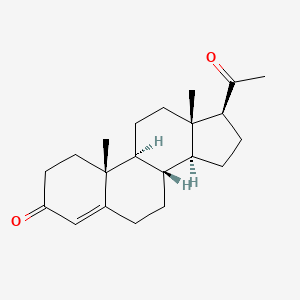
Progesterone
An endogenous reproductive hormone with formulation-specific uses; evidence for one pregnancy or menopause question does not settle the others.
Randomized recurrent-miscarriage evidence with a neutral overall result; formulation limits; checked 2026-10-01
Also known as: Prometrium · Micronized progesterone
Practical use
Clinical purpose, evidence and review questions
- Start with the actual indication
- Distinguish amenorrhea, endometrial protection and a specific pregnancy-care question.
- Bring the exact product
- Include route, ingredients, allergy history and any accompanying estrogen therapy.
- Use the correct outcome
- For a pregnancy claim, look for live birth and the studied history, not only a hormone concentration.
Overview
Progesterone acts through progesterone receptors. US oral Prometrium is labeled for prevention of endometrial hyperplasia with specified estrogen therapy in postmenopausal women with a uterus and for secondary amenorrhea. Vaginal formulations and pregnancy-support questions require separate evidence.
Risks and limitations
Oral progesterone can cause dizziness or drowsiness. Prometrium contains peanut oil, which matters for peanut allergy. Unexplained genital bleeding, thromboembolic history, certain cancers and liver disease affect suitability. Severe allergic symptoms need emergency care; unexplained bleeding should be evaluated.
How to read this
Progesterone being necessary for pregnancy does not prove that supplementation improves every pregnancy outcome. The reason for treatment, clinical history, formulation and route all matter.
Research explained
PROMISE: unexplained recurrent miscarriage
Who was studied
836 women aged 18–39 with at least three unexplained first-trimester losses and a naturally conceived pregnancy randomized to vaginal micronized progesterone or placebo; primary-outcome follow-up reached 98.8%.
What was found
Live birth beyond 24 weeks occurred in 262/398 (65.8%) versus 271/428 (63.3%). Relative risk was 1.04 (95% CI 0.94–1.15; P=.45), without a significant overall benefit.
What it cannot establish
The trial did not test every progesterone formulation, luteal-phase treatment or every pregnancy-bleeding subgroup. Its neutral result should not be generalized to all reproductive indications.
Read the original studyNecessary physiology is not proof of extra benefit
An essential hormone can still fail to improve a particular outcome when added therapeutically. PROMISE directly tested one such question.
Supporting sourceProduct identity includes excipients
The peanut-oil warning belongs to the referenced oral product. Another formulation needs its own ingredient and safety review.
Supporting sourceClaims versus findings
Not established
All women with prior miscarriage benefit from added progesterone.
PROMISE did not demonstrate an overall live-birth benefit in its specific recurrent-miscarriage population.
Check the evidenceCommon questions
Can this vaginal trial establish the same result for oral capsules?
No. Route and formulation differ; the oral label also concerns separate indications.
SourceSources
PROMISE: unexplained recurrent miscarriage
US prescribing information; checked October 1, 2026
Sources checked 2026-10-01.
General education; not a personal treatment plan.