

Hormone medicines
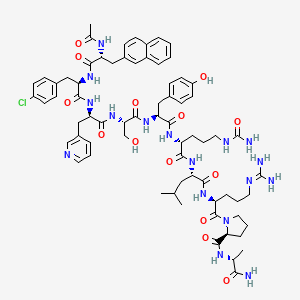
Cetrorelix
A GnRH antagonist used to prevent premature ovulation during controlled ovarian stimulation for assisted reproduction.
Randomized assisted-reproduction evidence; specialist context
Also known as: Cetrotide · GnRH antagonist
Practical use
Clinical context and evidence interpretation
- Name the stage of care
- Ask whether the medicine is being discussed for follicle stimulation, surge prevention or ovulation triggering; these are different jobs.
- Choose a meaningful comparison
- Compare pregnancy and live-birth endpoints separately from hormone values, egg counts and days of treatment.
- Use the clinic’s escalation plan
- Keep the fertility team’s instructions for new pain, swelling or breathing symptoms available; the whole treatment context matters.
European randomized phase III comparison
Overview
Cetrorelix blocks pituitary GnRH receptors, suppressing LH release without the initial stimulation typical of a GnRH agonist. US Cetrotide labeling concerns preventing premature LH surges in women undergoing controlled ovarian stimulation and assisted reproductive techniques.
Risks and limitations
Serious allergy can occur, including with first exposure. The label contraindicates use during pregnancy or lactation and in severe renal impairment. Ovarian hyperstimulation can occur in the overall fertility-treatment setting; severe pelvic pain, swelling, vomiting, reduced urination or breathlessness need prompt assessment by the fertility team.
How to read this
The purpose is coordination of an assisted-reproduction cycle. Suppressing an LH surge is not itself proof of better live-birth outcomes and does not create a general hormone-control strategy for men.
Research explained
European randomized phase III comparison
Who was studied
273 patients undergoing IVF or ICSI: 188 assigned cetrorelix and 85 buserelin while receiving ovarian stimulation with human menopausal gonadotropin. Outcomes were assessed during the treatment cycle.
What was found
96.3% versus 90.6% reached the planned ovulation-trigger stage. Cetrorelix required fewer stimulation days and less gonadotropin. Three cetrorelix recipients (1.6%) had an LH/progesterone rise. Fertilization, embryo cleavage and pregnancy rates were similar.
What it cannot establish
This older trial compared complete clinical strategies, not isolated self-use. Reaching a trigger or becoming pregnant is not the same endpoint as a healthy live birth; similar observed rates do not prove exact equivalence.
Read the original studyWhy an antagonist can help fertility treatment
The aim is to prevent an untimely LH surge while clinicians manage follicle development. That is why a medicine that suppresses reproductive signaling can be part of a fertility pathway.
Supporting sourceRead the denominator before the percentage
The 1.6% figure is three LH/progesterone rises among 188 cetrorelix recipients. It is not a pregnancy-failure percentage or a universal complication rate.
Supporting sourceClaims versus findings
Not established
Less stimulation medication proves a higher chance of a baby.
The study found lower treatment burden with similar pregnancy findings; it did not demonstrate superior live-birth outcomes.
Check the evidenceCommon questions
Is cetrorelix the same as a GnRH agonist?
No. It blocks the receptor; an agonist initially stimulates it and can later suppress signaling with continued exposure.
SourceSources
European randomized phase III comparison
US prescribing information; checked October 1, 2026
Sources checked 2026-10-01.
General education; not a personal treatment plan.