

Metabolic medicines
Metformin
A prescription glucose-lowering medicine with diabetes-prevention evidence and a measurable tradeoff in one older-adult resistance-training trial.
Human evidence / important limitations
Also known as: Glucophage
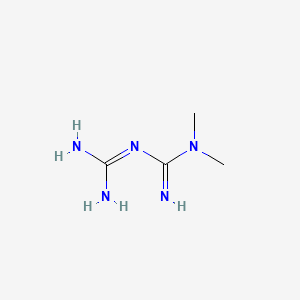
Practical use
Applying the explained evidence
- Where it fits
- A prescription glucose-lowering medicine with diabetes-prevention evidence and a measurable tradeoff in one older-adult resistance-training trial.
- Put the information into practice
- A medication can reduce diabetes risk in a high-risk population while blunting a different outcome in healthy people. These findings are not contradictory and do not justify independently stopping prescribed treatment.
- The outcome being treated
- Identify whether the evidence concerns a diagnosed condition, body weight, appetite or a laboratory marker. Check which outcomes were measured and over what follow-up before transferring a finding to another goal.
- Keep this limit in view
- These are incidence rates in a selected high-risk group, not reductions in an individual’s blood glucose or proof of longer lifespan.
Overview
Metformin is a biguanide used for type 2 diabetes. Its benefit-risk balance in that condition is a different question from using it for longevity or athletic enhancement.
Risks and limitations
Label warnings include lactic acidosis, particularly with impaired kidney function or other risk factors, and vitamin B12 reduction. Gastrointestinal effects are common. Severe weakness with breathing difficulty, marked drowsiness or abdominal pain warrants urgent assessment rather than assuming routine stomach upset.
How to read this
A medication can reduce diabetes risk in a high-risk population while blunting a different outcome in healthy people. These findings are not contradictory and do not justify independently stopping prescribed treatment.
Research explained
Diabetes Prevention Program
Who was studied
3,234 adults without diabetes but with elevated fasting and post-load glucose; mean follow-up 2.8 years.
What was found
Diabetes incidence was 11.0 cases per 100 person-years with placebo, 7.8 with metformin and 4.8 with intensive lifestyle intervention. Relative reductions were 31% (95% interval 17–43%) and 58% (48–66%), respectively.
What it cannot establish
These are incidence rates in a selected high-risk group, not reductions in an individual’s blood glucose or proof of longer lifespan.
Read the original studyMASTERS resistance-training trial
Who was studied
94 healthy adults aged 65 or older: 46 assigned metformin and 48 placebo, with fourteen weeks of supervised progressive resistance training.
What was found
Lean-mass and thigh-muscle gains were greater with placebo (P=.003 and P<.001). The trend toward smaller strength gains with metformin was not statistically significant. Not every biopsy measure followed the imaging results.
What it cannot establish
The population was healthy older adults; this does not demonstrate that every person with diabetes should avoid metformin or that all exercise benefits disappear.
Read the original studyKidney handling and half-life
The label describes unchanged renal excretion, with roughly 90% of absorbed drug eliminated through the kidneys within 24 hours. Plasma half-life is about 6.2 hours, while the blood estimate is approximately 17.6 hours, reflecting distribution into red cells. Reduced kidney function prolongs elimination. These figures are not an instruction to choose a schedule.
Supporting sourceInteractions and circumstances that change risk
The current label identifies excess alcohol, hypoxic illness, contrast procedures, liver impairment and certain interacting medicines, including carbonic-anhydrase inhibitors such as topiramate, as relevant to lactic-acidosis risk. Combining glucose-lowering treatments can also change hypoglycemia risk. Medication and procedure decisions require the prescriber’s context.
Supporting sourceSources
MASTERS resistance-training trial
Interactions and circumstances that change risk
Current prescribing information
Sources checked 2026-09-28.
General education; not a personal treatment plan.