

Peptides
Thymosin beta-4
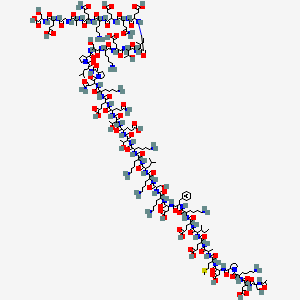
A 43-amino-acid peptide with ocular and other repair research; full-length thymosin beta-4 is distinct from the TB-500 fragment.
Experimental / study-specific evidence
Also known as: Tβ4 · TB4 · RGN-259
Practical use
Applying the explained evidence
- Where it fits
- A 43-amino-acid peptide with ocular and other repair research; full-length thymosin beta-4 is distinct from the TB-500 fragment.
- Put the information into practice
- Check three identities: the molecule, the formulation and the clinical problem. A tendon-healing claim cannot be established by a corneal-staining endpoint.
- Check what was actually tested
- Match the exact molecule, formulation and study setting to the claim. A result for a related peptide, a cell model or an animal model does not establish the same result for a marketed human-use product.
- Keep this limit in view
- A positive secondary endpoint does not convert a negative primary endpoint into a confirmed overall success. The study concerns eyes, not tendon or muscle injury.
Overview
The original chemical characterization identified 43 amino-acid residues and a molecular mass of 4,982. Full-length thymosin beta-4, an ophthalmic formulation and an acetylated seven-residue fragment are different experimental materials.
Risks and limitations
The evidence is formulation- and indication-specific. A small eye-drop study cannot establish the safety of systemic use or products sold under related names. Human efficacy findings are mixed when primary and secondary outcomes are separated.
How to read this
Check three identities: the molecule, the formulation and the clinical problem. A tendon-healing claim cannot be established by a corneal-staining endpoint.
Research explained
Dry-eye phase II study: primary endpoints not met
Who was studied
72 participants; randomized double-masked placebo-controlled study with 28 days of eye-drop treatment.
What was found
The two primary outcomes at day 29—ocular discomfort and inferior corneal staining—were not significantly different. Some secondary outcomes improved, including 27% less discomfort during the day-28 environmental challenge.
What it cannot establish
A positive secondary endpoint does not convert a negative primary endpoint into a confirmed overall success. The study concerns eyes, not tendon or muscle injury.
Read the original studySmaller severe-dry-eye pilot
Who was studied
Nine patients, 18 eyes; randomized vehicle-controlled study with 28 days of treatment and follow-up through day 56.
What was found
Reported day-56 differences favored treatment: ocular discomfort 35.1% lower and corneal staining 59.1% lower than control.
What it cannot establish
Only nine people were enrolled. Counting two eyes per person does not create 18 independent patients. Results at selected time points require confirmation.
Read the original studyCardiac research: overall result versus early-treatment subgroup
Who was studied
A translational study included mouse experiments and a randomized double-blind placebo-controlled trial in 96 people after STEMI and coronary intervention.
What was found
The overall human comparison did not show a significant infarct-area difference. An early-treatment subgroup of 43 participants showed a favorable result at day 90. Animal experiments implicated ErbB2-related signaling.
What it cannot establish
The subgroup result must be distinguished from the nonsignificant overall comparison. Animal pathway findings do not establish the mechanism or benefit in every human injury.
Read the original studyIdentity before comparison
The original peptide characterization describes full-length thymosin beta-4 as a 43-residue molecule. That identity is different from the acetylated fragment studied under the TB-500 name. Findings should follow the exact experimental material, not a shared nickname.
Supporting sourceSources
Dry-eye phase II study: primary endpoints not met
Cardiac research: overall result versus early-treatment subgroup
Sources checked 2026-09-28.
General education; not a personal treatment plan.