

Peptides
Teriparatide
A PTH fragment with randomized evidence for preventing fractures in high-risk osteoporosis; those results do not establish a general injury-recovery peptide.
Randomized fracture-prevention evidence; distinct from injury-healing claims
Also known as: Forteo · PTH(1-34)
Practical use
Clinical context and evidence interpretation
- Read the report precisely
- Record which bone was measured, whether the result is a T-score or a percentage change, and whether a quoted study actually counted fractures.
- Bring relevant treatment context
- Include glucocorticoid exposure, previous fractures, kidney-stone history and the full medication list in the discussion.
- Ask about the complete plan
- Ask which outcome will define success and what ongoing bone care is planned after the present treatment phase.
Overview
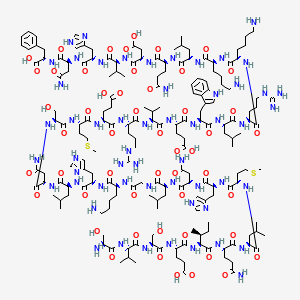
Teriparatide is the active 1–34 fragment of human parathyroid hormone. Intermittent therapeutic exposure stimulates bone formation. US Forteo labeling covers selected women and men with high-risk osteoporosis, including osteoporosis associated with sustained systemic glucocorticoid treatment.
Risks and limitations
Warnings include hypercalcemia, kidney stones, dizziness on standing and serious allergy. It is avoided in people with specified osteosarcoma risk factors such as skeletal malignancy or skeletal radiation. Calcium changes can matter with digoxin. Breathing difficulty or throat swelling needs emergency care.
How to read this
Fracture outcomes matter more than assuming that a larger bone-density increase always creates a larger clinical benefit. This medicine’s role is assessed against a person’s underlying fracture risk and alternatives.
Research explained
Fracture Prevention Trial
Who was studied
1,637 postmenopausal women with prior vertebral fractures randomized to placebo or one of two teriparatide trial exposures; median observation 21 months.
What was found
New vertebral fractures occurred in 14% with placebo and 5% or 4% in the two treatment groups. Nonvertebral fragility fractures occurred in 6% versus 3% in each treatment group. The higher exposure increased some bone-density measures more but had similar fracture effects and more side effects.
What it cannot establish
Participants already had osteoporosis and vertebral fractures. These results do not establish injury recovery, stronger tendons or benefit in healthy trainees. Trial exposure comparisons are not instructions for choosing treatment.
Read the original studyBone density and fractures are related but different
In the pivotal trial, the higher exposure produced larger changes in some bone-density sites without a corresponding clear improvement in fracture outcomes. A biomarker or scan is not a complete benefit–harm summary.
Supporting sourceWhat the osteosarcoma warning means
The label describes osteosarcoma in rat studies and specified higher-risk clinical situations. Human observational studies have not demonstrated an increased risk; that does not make the risk zero or erase patient selection precautions.
Supporting sourceClaims versus findings
Not established
An osteoporosis approval proves any sports injury will heal faster.
Preventing new fragility fractures in an osteoporotic population is a different endpoint from repairing a current athletic injury.
Check the evidenceCommon questions
Can I compare a spine scan directly with a hip-fracture claim?
No. Preserve the skeletal site and the endpoint. A spine bone-density result and a fracture outcome at another site are not interchangeable.
SourceSources
US prescribing information; checked October 1, 2026
Sources checked 2026-10-01.
General education; not a personal treatment plan.