

Peptides
Abaloparatide
A bone-forming medicine with fracture evidence in postmenopausal osteoporosis; the indication in men is supported by bone-density outcomes.
Randomized fracture trial in postmenopausal osteoporosis; population limits
Also known as: Tymlos · PTHrP analogue
Practical use
Clinical context and evidence interpretation
- Prepare the right history
- Bring prior low-trauma fractures, bone-density reports with dates, kidney-stone history and previous osteoporosis treatment to a clinical review.
- Compare the actual endpoint
- Ask whether a quoted percentage means relative fracture reduction, absolute fracture reduction or a change in bone density.
- Make follow-up explicit
- Ask the treating team how response and adverse effects will be reviewed, and how the longer-term bone-care plan fits together.
Overview
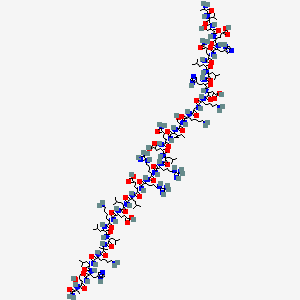
Abaloparatide is a parathyroid hormone-related peptide analogue that activates the PTH1 receptor and stimulates bone formation. US Tymlos labeling covers postmenopausal osteoporosis at high fracture risk and increasing bone density in men at high fracture risk. It is a different molecule from teriparatide.
Risks and limitations
Dizziness, palpitations, nausea, excess blood or urine calcium and kidney-stone concerns matter. Label precautions include bone cancers, skeletal radiation and other conditions that raise osteosarcoma risk. Serious allergy is possible; breathing difficulty or facial swelling needs emergency care.
How to read this
For a reader comparing bone medicines, the useful distinction is fewer fractures versus a higher bone-density measurement. A stronger scan result is valuable evidence, but it does not by itself quantify fracture prevention in every population.
Research explained
ACTIVE: fracture prevention over 18 months
Who was studied
2,463 postmenopausal women with osteoporosis, average age 69, randomized to abaloparatide, placebo or open-label teriparatide; 1,901 completed the study.
What was found
Abaloparatide reduced new vertebral and nonvertebral fractures versus placebo. The primary report found hypercalcemia in 3.4% with abaloparatide versus 6.4% with teriparatide. The FDA label reports new vertebral fractures in 0.6% versus 4.2% with placebo.
What it cannot establish
The blinded primary comparison was abaloparatide versus placebo. The study does not establish that abaloparatide is the best treatment for every patient or that these fracture estimates apply to younger healthy men.
Read the original studyPut the absolute effect beside the headline
The label’s 0.6% versus 4.2% vertebral-fracture figures correspond to approximately 3.6 fewer fractures per 100 comparable patients over 18 months. This is an absolute difference, not a prediction for an individual.
Supporting sourceA second population asks a different question
The male indication concerns increased bone density. Keep that distinction when a source quotes the fracture results from postmenopausal women.
Supporting sourceClaims versus findings
Not established
Bone formation means faster healing of any gym injury.
ACTIVE studied osteoporosis and new fractures, not tendon repair, recovery from ordinary training or healing every existing fracture.
Check the evidenceCommon questions
Does anabolic mean muscle-building here?
Here it describes bone formation. The measured clinical question was skeletal fragility, not muscle hypertrophy.
SourceSources
ACTIVE: fracture prevention over 18 months
US prescribing information; checked October 1, 2026
Sources checked 2026-10-01.
General education; not a personal treatment plan.