

Metabolic medicines
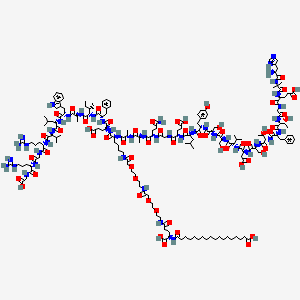
Semaglutide
An incretin medicine with product-specific uses in diabetes, weight management and selected related conditions.
Medical uses / indication-specific evidence
Also known as: Wegovy · Ozempic · Rybelsus
Practical use
Applying the explained evidence
- Where it fits
- An incretin medicine with product-specific uses in diabetes, weight management and selected related conditions.
- Put the information into practice
- Weight-loss trials measure group averages alongside lifestyle support. Their results are not an individual forecast or a guarantee of preserving muscle during weight loss.
- The outcome being treated
- Identify whether the evidence concerns a diagnosed condition, body weight, appetite or a laboratory marker. Check which outcomes were measured and over what follow-up before transferring a finding to another goal.
- Keep this limit in view
- The headline endpoint is body weight. It does not separately quantify fat, muscle, water and other tissues.
Overview
Semaglutide supports glucose-dependent insulin release, slows stomach emptying and can reduce appetite. Indications differ by product and formulation; a benefit in one population is not automatically a benefit in every user.
Risks and limitations
Common problems include nausea, vomiting, diarrhea and constipation. Persistent severe abdominal pain, major dehydration, serious allergic symptoms or vision changes need medical assessment. Rodent thyroid-tumor findings underpin a warning; human relevance remains uncertain. Relevant thyroid-cancer history requires review.
How to read this
Weight-loss trials measure group averages alongside lifestyle support. Their results are not an individual forecast or a guarantee of preserving muscle during weight loss.
Research explained
STEP 1: weight change over 68 weeks
Who was studied
1,961 adults with obesity, or overweight plus a weight-related condition, without diabetes. Both randomized groups received lifestyle intervention.
- Semaglutide: weight change
- -14.9 %
- Placebo: weight change
- -2.4 %
What was found
Mean weight change was −14.9% with semaglutide and −2.4% with placebo. The estimated treatment difference was −12.4 percentage points (95% CI −13.4 to −11.5).
What it cannot establish
This is a mean body-weight result, not pure-fat loss or a guarantee. It concerns a specific injectable trial regimen and population; it does not establish equivalence to every oral product, compounded preparation or use in lean athletes.
Read the original studySELECT: cardiovascular outcomes
Who was studied
17,604 adults with established cardiovascular disease and overweight or obesity, without diabetes; mean follow-up 39.8 months.
- Semaglutide: primary events
- 6.5 %
- Placebo: primary events
- 8 %
What was found
The primary cardiovascular composite occurred in 569/8,803 participants (6.5%) versus 701/8,801 (8.0%). Hazard ratio 0.80 (95% CI 0.72–0.90). Adverse events led to permanent discontinuation in 16.6% versus 8.2%.
What it cannot establish
The roughly 1.5-percentage-point absolute event difference and 20% relative hazard reduction describe different quantities. This is secondary-prevention evidence in the studied population, not a demonstrated benefit for every healthy person.
Read the original studyMechanism, persistence and interactions
Semaglutide activates the GLP-1 receptor. The product label describes an approximately one-week elimination half-life and delayed gastric emptying, which can affect oral medicines. Insulin or insulin-secretagogue combinations increase concern about hypoglycemia. These are reasons to review the full medication list, not to independently change prescriptions.
Supporting sourceWhat to watch for
Important labeled concerns include pancreatitis, gallbladder disease, severe gastrointestinal effects and kidney injury associated with volume depletion. Persistent severe abdominal pain, repeated vomiting with inability to keep fluids down, or signs of a serious allergic reaction require medical assessment. The thyroid C-cell tumor warning arises from rodent findings; human relevance is uncertain, but the MTC/MEN2 contraindication still applies.
Supporting sourceWhy percentage points matter
A fall from 8.0% to 6.5% is a difference of 1.5 percentage points. Dividing that difference by 8.0 gives about 19% relative risk reduction using rounded proportions; a trial’s time-to-event hazard ratio is a different calculation. Neither should be described as “20 percentage points fewer events.” Study cards preserve the original measure so those claims do not get mixed together.
Supporting sourceClaims versus findings
Not established
Trial weight loss is all body fat.
The headline endpoint is body weight. It does not separately quantify fat, muscle, water and other tissues.
Check the evidenceSources
MedlinePlus: semaglutide injection
SELECT: cardiovascular outcomes
STEP 1: weight change over 68 weeks
Sources checked 2026-09-28.
General education; not a personal treatment plan.