

Growth hormone
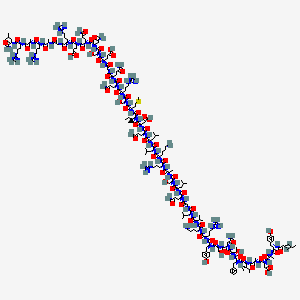
Tesamorelin
A growth-hormone-releasing-factor analogue used for excess abdominal fat in HIV-associated lipodystrophy.
Medical uses / indication-specific evidence
Also known as: Egrifta
Practical use
Applying the explained evidence
- Where it fits
- A growth-hormone-releasing-factor analogue used for excess abdominal fat in HIV-associated lipodystrophy.
- Put the information into practice
- Evidence for a defined HIV-associated condition should not be generalized to healthy physique athletes. A reduction in abdominal fat in that setting is different from a general fat-loss or longevity claim.
- Outcome versus a marker
- Separate a change in a hormone measurement or body-composition estimate from the outcome you actually care about. Look for direct measurement of function, symptoms and adverse events.
- Keep this limit in view
- The endpoint is an imaging measure of visceral fat, not total body weight. A result in HIV-associated fat redistribution does not establish equivalent effects in healthy physique athletes. The cm² figure measures an area, not kilograms of tissue.
Overview
Tesamorelin has a specific medical role in adults with HIV-associated lipodystrophy. It stimulates a hormone pathway that can reduce abdominal fat; it is not a general weight-loss treatment.
Risks and limitations
Swelling, joint or muscle pain and nerve symptoms can occur. Severe allergic symptoms require urgent attention. Pituitary conditions, cancer history, diabetes and pregnancy are important clinical considerations.
How to read this
Evidence for a defined HIV-associated condition should not be generalized to healthy physique athletes. A reduction in abdominal fat in that setting is different from a general fat-loss or longevity claim.
Research explained
Visceral fat in HIV-associated abdominal adiposity
Who was studied
404 people living with HIV and excess abdominal fat during antiretroviral therapy; randomized placebo comparison during a six-month efficacy phase.
- Tesamorelin: visceral fat change
- -10.9 %
- Placebo: visceral fat change
- -0.6 %
What was found
Visceral adipose tissue changed −10.9% with tesamorelin versus −0.6% with placebo (P<0.0001). Reported absolute changes were −21 versus −1 cm².
What it cannot establish
The endpoint is an imaging measure of visceral fat, not total body weight. A result in HIV-associated fat redistribution does not establish equivalent effects in healthy physique athletes. The cm² figure measures an area, not kilograms of tissue.
Read the original studyMechanism and pharmacokinetics
Tesamorelin stimulates growth-hormone-releasing-factor receptors. The Egrifta WR label reports an approximately 11-minute elimination half-life in healthy subjects after the studied subcutaneous formulation. Hormonal responses can outlast circulating peptide; that number alone does not describe benefit duration or establish a personal schedule.
Supporting sourceGlucose risk and medication context
The label reports diabetes meeting its HbA1c criterion in 5% versus 1% of trial participants, with hazard ratio 3.3 (confidence interval 1.4–9.6). Important concerns also include elevated IGF-1, fluid retention and malignancy history. Review of glucocorticoids and medicines affected by CYP metabolism is relevant. The product is not a general weight-loss indication.
Supporting sourceVisceral fat versus the number on the scale
A percentage reduction in visceral fat is not the same percentage reduction in body weight. The starting compartment is much smaller, and imaging outcomes depend on the measurement method. Do not compare this trial’s −10.9% visceral-fat result with a GLP-1 trial’s total-weight percentage as if they measured the same thing.
Supporting sourceSources
Visceral fat in HIV-associated abdominal adiposity
Sources checked 2026-09-28.
General education; not a personal treatment plan.