

Hormone medicines
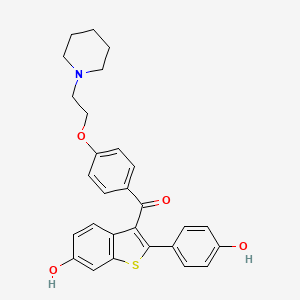
Raloxifene
A selective estrogen-receptor modulator with different effects in bone and breast tissue.
Established medical uses
Also known as: Evista
Practical use
Applying the explained evidence
- Where it fits
- A selective estrogen-receptor modulator with different effects in bone and breast tissue.
- Put the information into practice
- Tissue selectivity is the key distinction: this is not simply a medicine that lowers all estrogen. Its medical indication and evidence should not be replaced by an online hormone-management claim.
- Diagnosis before a number
- Write down the symptoms, the reason a test was ordered, and the medicines already used. An isolated hormone result is a question to interpret, not a stand-alone reason to add another medicine.
- Keep this limit in view
- Total stroke and coronary-event results differed from the fatal-stroke finding. These are trial counts, not percentages or estimates for young men. A benefit in one endpoint does not erase harm in another.
Overview
Raloxifene can mimic estrogen’s bone effects while blocking estrogen activity in breast tissue. It is used for osteoporosis and reduction of invasive breast-cancer risk in selected postmenopausal women. It does not treat established invasive breast cancer.
Risks and limitations
Blood clots in the legs or lungs are an important risk, particularly with prolonged immobility. Leg cramps, swelling and hot flashes may occur. New chest pain, breathlessness or painful leg swelling warrant urgent assessment.
How to read this
Tissue selectivity is the key distinction: this is not simply a medicine that lowers all estrogen. Its medical indication and evidence should not be replaced by an online hormone-management claim.
Research explained
RUTH: benefit and harm in the same randomized trial
Who was studied
10,101 postmenopausal women with coronary disease or elevated coronary risk; median follow-up 5.6 years.
What was found
Fatal strokes numbered 59 versus 39 (hazard ratio 1.49, 95% CI 1.00–2.24). Venous thromboembolic events numbered 103 versus 71 (HR 1.44, CI 1.06–1.95). Clinical vertebral fractures were reduced: 64 versus 97 (HR 0.65).
What it cannot establish
Total stroke and coronary-event results differed from the fatal-stroke finding. These are trial counts, not percentages or estimates for young men. A benefit in one endpoint does not erase harm in another.
Read the original studyPharmacokinetics and interactions
Raloxifene undergoes glucuronidation and enterohepatic cycling: drug-related material can pass through the intestine and liver again. Its reported oral elimination half-life is 27.7 hours.
Cholestyramine reduces absorption and recirculation; the label does not recommend the combination. When warfarin and raloxifene are used together, starting or stopping raloxifene can require closer prothrombin-time monitoring. This is a specific interaction issue, separate from the drug’s own clotting risk.
Supporting sourceSources
RUTH: benefit and harm in the same randomized trial
Pharmacokinetics and interactions
Sources checked 2026-09-28.
General education; not a personal treatment plan.