

SARMs
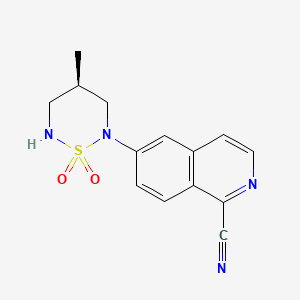
PF-06260414
An experimental SARM with phase 1 human pharmacology data, including hormone, lipid and liver findings; clinical muscle benefit was not established.
Placebo-controlled phase 1 research; biomarker and safety observations, not an efficacy trial
Practical use
Evidence interpretation and clinical context
- Identify the development phase
- Read a phase 1 result as an early pharmacology study.
- Name the observed safety signal
- Retain liver and lipid findings in summaries of tolerability.
- Check for functional endpoints
- A hormone change cannot stand in for measured strength or health benefit.
Overview
PF-06260414 was studied in healthy volunteers to characterize exposure, tolerability and biological activity. Early human development can show that a compound affects androgen-related markers without showing that it improves strength or health.
Risks and limitations
The phase 1 report recorded ALT elevations in seven participants and changes in HDL cholesterol, sex hormone-binding globulin and testosterone-related measures. A small early trial cannot rule out uncommon or cumulative harms.
How to read this
Pharmacokinetics describes how exposure changes over time. Pharmacodynamics describes biological response. Neither alone demonstrates that a patient feels or functions better.
Research explained
Safety, Pharmacokinetic, and Pharmacodynamic Evaluation After Single and Multiple Ascending Doses of a Novel Selective Androgen Receptor Modulator in Healthy Subjects.
Who was studied
Healthy adult men in single- and repeated-exposure phase 1 cohorts, including a Japanese cohort.
What was found
Researchers characterized exposure and androgen-responsive biomarker changes. ALT elevations and headache were reported; no serious adverse events were reported in this study.
What it cannot establish
Small cohorts and brief follow-up limit safety conclusions. The study did not establish strength, disability or disease-treatment benefit.
Read the original studyRegulatory status
FDA states that SARMs are unapproved drugs, not dietary supplements.
Supporting sourceWhat the hormone findings mean
Changes in circulating endocrine markers show that the intervention is not biologically confined to a muscle measurement. The trial was not designed to establish fertility outcomes.
Supporting sourceClaims versus findings
Incorrect trial interpretation
A phase 1 study proves a muscle-building treatment works.
This phase evaluated pharmacology and tolerability rather than clinical muscle efficacy.
Check the evidenceCommon questions
Does no serious event mean the compound is safe?
It means none was reported in these small, short cohorts. It does not quantify rare or long-term risk.
SourceSources
Regulatory status — primary or official source
Sources checked 2026-10-01.
General education; not a personal treatment plan.