

Peptides
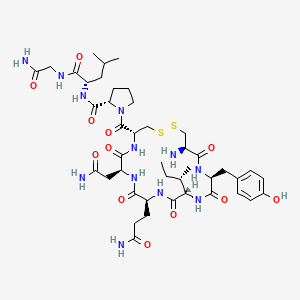
Oxytocin
A hormone with established obstetric uses; popular social-bonding claims require separate evidence and do not follow from those approvals.
Established obstetric labeling; negative randomized autism social-function trial; checked 2026-10-01
Also known as: Pitocin
Practical use
Clinical purpose, evidence and review questions
- Ask for the actual endpoint
- Require a controlled outcome such as a validated symptom or function measure, rather than a hormone nickname.
- Keep population and route attached
- Do not transfer childbirth evidence into social or sexual claims.
- Separate research from care
- For an existing prescribed obstetric use, ask the maternity team about the indication and monitoring plan.
Overview
Oxytocin stimulates uterine smooth muscle and has physiological roles beyond childbirth. US Pitocin labeling concerns specified labor and postpartum-bleeding situations under medical supervision. Intranasal behavioral research uses a different clinical context and does not inherit the obstetric product’s efficacy claims.
Risks and limitations
Obstetric use can cause excessive uterine activity and fetal or maternal complications; fluid retention and water intoxication are also concerns. Continuous professional observation is part of the labeled setting. These risks make an obstetric medicine fundamentally different from a casual wellness or relationship aid.
How to read this
A biological association with social behavior does not guarantee that administering the hormone improves a real-world social outcome. A well-controlled negative trial is useful evidence.
Research explained
Twenty-four-week intranasal autism trial
Who was studied
290 children and adolescents aged 3–17 with autism spectrum disorder randomized to oxytocin or placebo; 277 contributed to the modified intention-to-treat analysis.
What was found
The social-withdrawal score changed by −3.7 versus −3.5 points: adjusted difference −0.2 (95% CI −1.5 to 1.0; P=.61). Secondary social and cognitive outcomes generally did not differ. Adverse-event patterns were similar.
What it cannot establish
The result does not settle every oxytocin research question, but it fails to support routine benefit for social functioning in this population. It also does not test healthy adults’ relationships.
Read the original studyA mechanism is a starting hypothesis
The existence of an oxytocin pathway helped motivate research. The measured clinical result still determines whether the proposed benefit was demonstrated.
Supporting sourceRoute and indication remain visible
An obstetric injection and an investigational intranasal intervention are different evidence questions, even though they share a hormone name.
Supporting sourceClaims versus findings
Not supported
Oxytocin is proven to improve social connection because it is called a bonding hormone.
The nickname is not a clinical endpoint; this substantial randomized trial found no significant social-function benefit.
Check the evidenceCommon questions
Does the negative autism study mean obstetric oxytocin does not work?
No. It studied another route, population and outcome; it does not invalidate the labeled uterine indications.
SourceSources
Twenty-four-week intranasal autism trial
US prescribing information; checked October 1, 2026
Sources checked 2026-10-01.
General education; not a personal treatment plan.