

Peptides
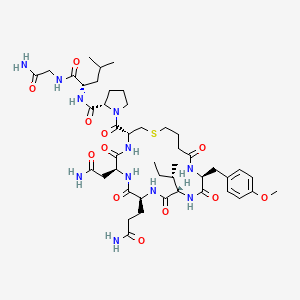
Carbetocin
A long-acting oxytocin analogue for preventing bleeding from poor uterine contraction after childbirth, with a large obstetric trial.
Large randomized obstetric noninferiority trial; UK product context; checked 2026-10-01
Also known as: Pabal · Duratocin
Practical use
Clinical purpose, evidence and review questions
- Name the outcome
- Separate measured blood loss, additional treatment and severe hemorrhage when reading a comparison.
- Keep the setting attached
- Check vaginal versus cesarean delivery and the actual formulation.
- Use the maternity care pathway
- Questions about personal bleeding risk and the prevention plan belong with the obstetric team; this is not a self-managed peptide use.
Overview
Carbetocin stimulates uterine oxytocin receptors. UK Pabal product information describes prevention of postpartum hemorrhage due to uterine atony. This is hospital obstetric care after birth; it is not an indication for inducing labor, improving bonding or changing body composition.
Risks and limitations
Potential effects include low blood pressure, flushing, nausea, abdominal pain and headache. Serious cardiovascular events and allergy are reported; water balance can also matter. The product is contraindicated during pregnancy before delivery, for labor induction, and in specified severe cardiac, liver or kidney conditions.
How to read this
For this medicine, the useful comparison is prevention of a defined bleeding outcome within a complete birth-care pathway. Product heat stability and clinical effectiveness are related operational questions, not the same measurement.
Research explained
CHAMPION: heat-stable carbetocin
Who was studied
29,645 women randomized at 23 sites in 10 countries immediately after vaginal birth to heat-stable carbetocin or oxytocin in a double-blind trial.
What was found
Blood loss of at least 500 mL or additional uterotonic treatment occurred in 14.5% versus 14.4%, meeting noninferiority. Blood loss of at least 1,000 mL occurred in 1.51% versus 1.45%; noninferiority was not demonstrated for that endpoint.
What it cannot establish
The rarer severe-bleeding endpoint had insufficient precision. Both products were refrigerated to preserve masking, so the clinical trial did not directly measure routine performance without a cold chain.
Read the original studyTwo primary outcomes can lead to different conclusions
Noninferiority for the combined 500-mL/additional-treatment outcome cannot be silently extended to the 1,000-mL outcome.
Supporting sourceTiming is part of the clinical purpose
The product information concerns uterine contraction after the infant is delivered. It specifically excludes labor induction.
Supporting sourceClaims versus findings
Incorrect
Carbetocin was proved equivalent for every bleeding outcome.
One primary endpoint met noninferiority; the severe-bleeding endpoint did not.
Check the evidenceCommon questions
Does failure to prove noninferiority prove it was worse?
No. The confidence interval was too wide to exclude the prespecified margin; that is uncertainty, not proof of inferiority.
SourceSources
CHAMPION: heat-stable carbetocin
UK product information; checked October 1, 2026
Sources checked 2026-10-01.
General education; not a personal treatment plan.