

Nootropics
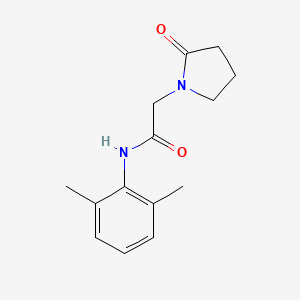
Nefiracetam
A racetam investigated for post-stroke apathy, with inconsistent findings and no established healthy-motivation benefit.
Mixed small clinical studies
Practical use
Reviewed practical notes
- Identify the symptom setting
- Post-stroke apathy is not interchangeable with everyday motivation.
- Use the comparator
- A lower score after treatment is insufficient without a control comparison.
- Preserve the uncertainty
- These small studies do not establish a reliable benefit or a complete safety profile.
Overview
Nefiracetam is a pyrrolidone-family research compound studied for symptoms after stroke. Apathy in a neurological illness is different from ordinary low motivation, fatigue or difficulty focusing. Trials in this setting cannot establish a general nootropic effect.
Risks and limitations
The studies are too limited to characterize uncommon adverse effects, long-term safety or healthy-user interactions. Neither a favorable symptom result nor the word nootropic establishes that prolonged use is harmless.
How to read this
One study in patients with both depression and apathy reported improvement; a later, very small post-stroke apathy study did not show a between-group advantage. Population differences and imprecision should remain visible rather than selecting only the positive report.
Research explained
Apathy with post-stroke depression
Who was studied
70 patients with apathy among 137 stroke patients with major depression; randomized treatment groups, with at least four weeks of treatment required for the analyzed sample.
What was found
One active-treatment condition showed a greater improvement on an apathy scale than the other active condition and placebo.
What it cannot establish
The analysis used last observations carried forward and excluded those without the minimum treatment duration. The specific depression-plus-apathy population limits generalization.
Read the original studyLater post-stroke apathy trial
Who was studied
13 patients randomized after extensive screening; 12 weeks of treatment.
What was found
Apathy scores decreased overall, but nefiracetam did not show a statistically significant advantage over placebo.
What it cannot establish
Very small enrollment creates wide uncertainty. Improvement over time within a group is not evidence that the drug caused it, and a small null trial cannot prove no possible effect.
Read the original studyWithin-group improvement is not the treatment effect
Symptoms can change because of time, recovery, attention or expectation. The relevant causal question is whether the active group improved more than a comparable control group.
Supporting sourceSources
2009 depression-and-apathy trial
Sources checked 2026-10-01.
General education; not a personal treatment plan.