

Metabolic medicines
Naltrexone
An opioid antagonist used in addiction treatment; depot, oral and combination products have different evidence and safety contexts.
Randomized long-acting alcohol-dependence trial; product-specific interpretation; checked 2026-10-01
Also known as: Vivitrol
Practical use
Clinical purpose, evidence and review questions
- Disclose all opioid exposure
- Include pain medicines, cough products and recent opioid-use treatment in clinical discussions.
- Know the support plan
- Clarify the targeted outcome and the behavioral or addiction-care support around treatment.
- Keep emergency information accessible
- Ensure the treating team’s pain-care and overdose-response plan is understood.
Six-month long-acting naltrexone trial
Overview
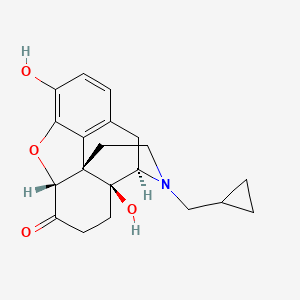
Naltrexone blocks opioid receptors. US Vivitrol is a long-acting product for selected alcohol-dependence care and prevention of relapse to opioid dependence after detoxification, as part of comprehensive support. Naltrexone also appears with bupropion in Contrave for weight management; that is a distinct product.
Risks and limitations
Existing opioid exposure can lead to severe precipitated withdrawal. Reduced tolerance after treatment and attempts to overcome blockade create overdose risk. Liver injury, serious injection-site reactions and mood changes also matter. Emergency clinicians need to know about naltrexone because it affects opioid pain treatment.
How to read this
The useful questions are reduced heavy-drinking days, relapse prevention and engagement with care. A receptor-blocking mechanism does not establish every proposed low-dose immune or longevity claim.
Research explained
Six-month long-acting naltrexone trial
Who was studied
627 treatment-seeking adults with alcohol dependence randomized; 624 received treatment. Two active groups were compared with placebo, all alongside a brief psychosocial program.
What was found
The higher-exposure group had a 25% relative reduction in the event rate of heavy-drinking days versus placebo. The lower group’s 17% reduction was not statistically significant. Adverse-event discontinuation was 14.1%, 6.7% and 6.7%, respectively.
What it cannot establish
This outcome is not a 25-percentage-point increase in abstinence or a cure rate. It does not establish the same effect for oral products, different indications or treatment without support.
Read the original studyBlockade changes emergency planning
Recent opioid use, planned procedures and pain-treatment needs are material clinical information. Trying to override receptor blockade can be fatal.
Supporting sourceA combination has its own evidence
Contrave’s weight-management indication concerns naltrexone plus bupropion. It cannot be assigned to naltrexone alone.
Supporting sourceClaims versus findings
Incorrect
The trial proved that 25% more people became abstinent.
The reported endpoint was the rate of heavy-drinking days, not that abstinence comparison.
Check the evidenceCommon questions
Does this trial prove low-dose naltrexone treats all inflammatory conditions?
No. It tested a long-acting formulation in alcohol dependence; different claims need direct trials.
SourceSources
Six-month long-acting naltrexone trial
US prescribing information; checked October 1, 2026
Additional product-specific source
Sources checked 2026-10-01.
General education; not a personal treatment plan.