

Metabolic medicines
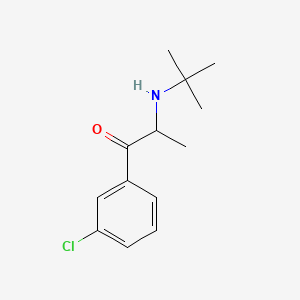
Bupropion
An antidepressant with separate smoking-cessation and combination weight-management evidence; these are different clinical questions.
Randomized smoking-cessation evidence; distinct combination indication; checked 2026-10-01
Also known as: Wellbutrin · Zyban
Practical use
Clinical purpose, evidence and review questions
- Define the target
- Write down whether the goal is mood, tobacco abstinence or weight management.
- Check the full list
- Include combination products, eating-disorder history, seizure history and alcohol or sedative changes.
- Measure the intended outcome
- Track the relevant symptom or smoking outcome alongside sleep, blood pressure and adverse effects.
Sustained-release smoking-cessation trial
Overview
Bupropion affects noradrenergic and dopaminergic signaling. US Wellbutrin XL is indicated for major depression and seasonal-affective-disorder prevention. Smoking-cessation evidence includes a sustained-release formulation. Contrave combines bupropion with naltrexone for weight management; its results are not bupropion-alone results.
Risks and limitations
Risks include seizures, increased blood pressure, insomnia, agitation and activation of mania. Eating-disorder and seizure histories, abrupt withdrawal from alcohol or sedatives, and interacting medicines matter. New suicidal thoughts or major behavioral changes require prompt help; a seizure is an emergency.
How to read this
A reduction in weight gained after quitting smoking is different from losing weight in an obesity trial. Always retain the indication and formulation when comparing outcomes.
Research explained
Sustained-release smoking-cessation trial
Who was studied
615 smokers without current depression randomized to placebo or three bupropion groups for seven weeks, with brief counseling and follow-up to one year. Abstinence was checked with expired carbon monoxide.
What was found
At one year, abstinence rates were 12.4% with placebo and 19.6%, 22.9% and 23.1% across the three active groups; only the latter two comparisons were statistically significant. Among continuously abstinent participants, weight gain was smaller in the highest studied group.
What it cannot establish
Most participants were smoking again at one year. A subgroup’s reduced weight gain does not demonstrate standalone obesity treatment or a guaranteed result after quitting.
Read the original studyCheck for duplicate ingredients
Bupropion can appear under different brand names or inside a combination. Contrave labeling contraindicates concurrent use of other bupropion-containing products.
Supporting sourceSeparate treatment success from side effects
Improved mood, smoking abstinence and weight change need separate assessment. Insomnia or appetite change is not sufficient evidence that the intended condition is improving.
Supporting sourceClaims versus findings
Incorrect
Less weight gain after quitting means everyone lost weight.
The trial described smaller gains among a selected abstinent subgroup, not universal weight loss.
Check the evidenceCommon questions
Can a Contrave result be credited to bupropion alone?
No. It combines two active ingredients in a specific extended-release product.
SourceSources
Sustained-release smoking-cessation trial
US prescribing information; checked October 1, 2026
Additional product-specific source
Sources checked 2026-10-01.
General education; not a personal treatment plan.