

Nootropics
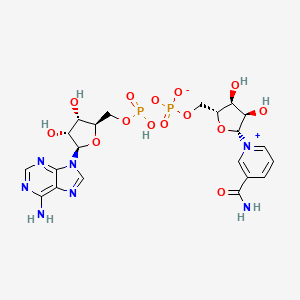
NAD+
An essential cellular cofactor; direct NAD+ infusions have much less clinical evidence than their wellness claims suggest.
Human metabolism pilot; retrospective tolerability data
Also known as: nicotinamide adenine dinucleotide
Practical use
Reviewed practical notes
- Identify the intervention
- Write down NAD+, NR or NMN and the route before comparing studies.
- Demand a clinical endpoint
- Look for measured function or symptoms, not just a change in a blood marker.
- Take infusion symptoms seriously
- Chest pressure or a rapid heartbeat during an infusion warrants immediate assessment by the treating clinical team.
Overview
Nicotinamide adenine dinucleotide participates in cellular metabolism. Direct NAD+ administration is a separate intervention from taking its precursors, such as nicotinamide riboside or nicotinamide mononucleotide. Evidence cannot be transferred freely between them.
Risks and limitations
A retrospective infusion study recorded gastrointestinal symptoms, rapid heart rate and chest pressure during NAD+ administration. These findings are relevant even though symptoms reportedly resolved after infusions ended. An invasive wellness procedure has tolerability questions beyond its proposed biochemical benefit.
How to read this
Ask whether a proposed benefit was actually measured in people receiving the same compound by the same route. Higher blood levels or altered metabolites do not establish more energy, slower aging or improved recovery.
Research explained
What happens during a direct NAD+ infusion?
Who was studied
Human pilot monitoring plasma and urine during a six-hour intravenous infusion.
What was found
Plasma NAD+ did not rise during the first two hours; subsequent changes in NAD-related metabolites and urinary excretion documented handling of the administered compound.
What it cannot establish
This was a metabolism study, not a controlled test of fatigue, longevity or physical performance. A biomarker trajectory is not a treatment outcome.
Read the original studyNAD+ versus NR infusion tolerability
Who was studied
2026 retrospective pilot using real-world infusion records with short follow-up.
What was found
NAD+ infusions were associated with moderate-to-severe gastrointestinal symptoms, tachycardia and chest pressure; the reported NR symptom pattern differed.
What it cannot establish
Treatment was not randomized. Selection, recording and administration differences limit comparisons; this does not establish either infusion as a longevity treatment.
Read the original studyThe route is part of the intervention
An oral precursor study cannot validate a direct intravenous NAD+ service. The metabolism pilot illustrates why: circulating compound and metabolite levels change over time, and the administered material does not simply become a proven improvement in cellular function.
Supporting sourceSources
2019 infusion metabolism pilot
2026 retrospective infusion comparison
Sources checked 2026-10-01.
General education; not a personal treatment plan.