

Nootropics
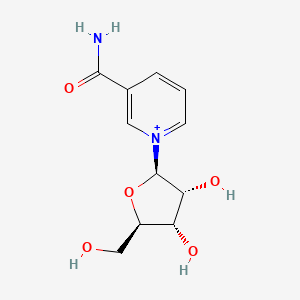
Nicotinamide riboside
Raising NAD-related metabolites has not consistently translated into better metabolic function.
Randomized metabolic studies
Practical use
Applying the explained evidence
- Where it fits
- Raising NAD-related metabolites has not consistently translated into better metabolic function.
- Put the information into practice
- Null findings from direct metabolic measurements should remain visible beside appealing cellular mechanisms and exploratory changes.
- Make the claim measurable
- Specify the claimed effect: alertness, memory, attention or another outcome. Check whether researchers measured that outcome directly; a mechanism or a subjective feeling is a different kind of evidence.
- Keep this limit in view
- The crossover study changed pathway markers without improving the measured insulin-sensitivity endpoint.
Overview
Nicotinamide riboside is a vitamin B3-related NAD precursor. A biochemical rise demonstrates that a pathway was affected; it does not by itself establish fat loss, improved insulin sensitivity or slower human aging.
Risks and limitations
The twelve-week obesity trial reported normal safety blood tests and no serious attributed adverse events. This supports short-term tolerability in that selected group, not an assurance about every condition, product, combination or duration.
How to read this
Null findings from direct metabolic measurements should remain visible beside appealing cellular mechanisms and exploratory changes.
Research explained
No metabolic improvement in the larger trial
Who was studied
40 sedentary men aged 40–70 with obesity and insulin resistance; twelve-week blinded randomized study.
- Participants
- 40 participants
- Duration
- 12 weeks
What was found
Insulin sensitivity, glucose handling, resting expenditure, lipid oxidation and body composition did not improve versus placebo.
What it cannot establish
Restricted population and duration. A null result does not prove no effect in every disease, but does not support a broad metabolic promise.
Read the original studyBiochemical change without broad functional benefit
Who was studied
13 overweight or obese men and women; six-week randomized crossover periods.
- Fat-free-mass proportion: NR
- 62.65 %
- Fat-free-mass proportion: placebo
- 61.32 %
What was found
Muscle NAD-synthesis markers rose. Fat-free-mass proportion was 62.65% during NR versus 61.32% during placebo, but insulin sensitivity and mitochondrial function did not improve.
What it cannot establish
Small study with many outcomes; percentage of body mass is not kilograms of new muscle. Isolated positive endpoints need replication.
Read the original studyTarget engagement is an intermediate result
The crossover trial found increased NAD-related metabolites without improved mitochondrial function. A molecule reaching a pathway is not proof of clinical benefit.
Supporting sourceThe clamp tests a specific question
The larger study measured insulin sensitivity directly with a controlled clamp. Its negative result is more specific than a general wellbeing claim.
Supporting sourcePercentage points are not muscle kilograms
The body-composition numbers are proportions. They cannot be presented as 1.34 kg of muscle gain.
Supporting sourceTrials have population boundaries
Men with obesity and insulin resistance do not represent every young athlete or every older adult, but marketing to those groups still needs evidence.
Supporting sourceUnknown outcomes should stay unknown
Neither experiment measures longevity, dementia prevention or performance-drug risk mitigation.
Supporting sourceClaims versus findings
Not established
Higher NAD markers guarantee better insulin sensitivity.
The crossover study changed pathway markers without improving the measured insulin-sensitivity endpoint.
Check the evidenceCommon questions
Does the body-composition percentage prove muscle hypertrophy?
No. It is a small proportional change, not a direct measurement of additional contractile muscle.
SourceSources
Twelve-week insulin-sensitivity trial
Six-week crossover metabolic study
Sources checked 2026-09-28.
General education; not a personal treatment plan.