

Androgens
Methyltestosterone
A prescription androgen with specific replacement indications and important liver, blood-pressure and reproductive cautions.
Official US label plus a small clinical study; evidence checked 2026-10-01
Practical use
Evidence interpretation and concrete review questions
- Bring symptom and laboratory history
- Keep repeated testing and the reason for treatment together.
- Review competing explanations
- Erectile dysfunction and fatigue can have causes beyond an androgen result.
- Assess meaningful benefit
- Track the intended symptom or function alongside blood pressure and the clinician’s safety review.
Hypogonadal erectile-dysfunction study
Overview
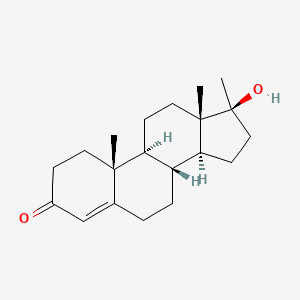
Methyltestosterone is a 17α-methylated testosterone derivative. The current US capsule label includes defined primary or hypogonadotropic hypogonadism and selected other clinical settings. It explicitly does not establish safety and efficacy for age-related low testosterone.
Risks and limitations
Label concerns include cholestatic liver injury, blood-pressure increases, fluid retention, polycythemia and suppression of sperm production. Pregnancy and certain hormone-sensitive cancers are contraindications. New jaundice, significant swelling or sudden breathlessness requires medical assessment.
How to read this
Treatment assessment needs diagnosis, symptoms and adverse effects together; a biochemical rise alone does not guarantee sexual or functional improvement.
Research explained
Hypogonadal erectile-dysfunction study
Who was studied
22 men with low androgen measurements and erectile dysfunction evaluated during a one-month course using oral methyltestosterone preparations.
What was found
Hormone measures changed, but only 9% reported complete recovery of sexual function; energy, mood and wellbeing did not show noticeable improvement.
What it cannot establish
Small, short study without a placebo comparison described in the abstract. It does not establish every patient’s response or rank current replacement options.
Read the original studyConfirm the diagnosis
The label requires repeated morning testosterone measurements rather than diagnosing deficiency from a single result.
Supporting sourceMedication interactions matter
Anticoagulant effects and glucose-treatment requirements can change; a complete medication review is part of clinical care.
Supporting sourceClaims versus findings
Not supported
A testosterone increase guarantees erectile recovery.
The clinical response was limited despite biochemical changes.
Check the evidenceCommon questions
Does the label support routine anti-aging use?
No. Safety and efficacy in age-related hypogonadism are explicitly unestablished.
SourceSources
Hypogonadal erectile-dysfunction study
PubChem chemical identity; checked October 1, 2026
Additional primary or official source
Sources checked 2026-10-01.
General education; not a personal treatment plan.