

Hair and skin
Isotretinoin
A potent acne treatment with sustained-response evidence and substantial safety requirements; it does not make continued drug-triggered acne harmless.
Human acne trials and regulated prescribing
Practical use
Applying the explained evidence
- Where it fits
- A potent acne treatment with sustained-response evidence and substantial safety requirements; it does not make continued drug-triggered acne harmless.
- Put the information into practice
- Improvement during treatment and durable remission are separate outcomes. Baseline severity, truncal involvement, continued triggers, follow-up and retreatment definitions affect the result.
- Define the change you want to assess
- Record the specific concern and its time course. When evaluating a claim, look for a matching diagnosis, a defined measurement and an appropriate comparison rather than relying on a before-and-after photograph alone.
- Keep this limit in view
- The label describes systemic risks and monitoring needs that cannot be read from acne improvement.
Overview
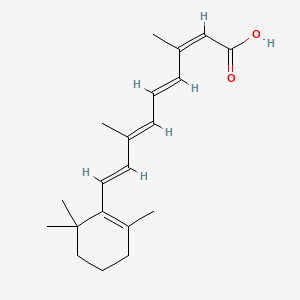
Isotretinoin is 13-cis-retinoic acid, an oral retinoid for severe recalcitrant nodular acne under US labeling. It reduces sebaceous-gland activity; it is distinct from topical tretinoin and should not be treated as a routine supplement.
Risks and limitations
Major concerns include severe fetal harm, lipid abnormalities, liver injury, pancreatitis and mucocutaneous dryness. Mood changes, severe headache with visual symptoms, abdominal pain or severe rash warrant assessment. Tetracyclines and vitamin A can add hazards. US access is controlled through iPLEDGE REMS.
How to read this
Improvement during treatment and durable remission are separate outcomes. Baseline severity, truncal involvement, continued triggers, follow-up and retreatment definitions affect the result.
Research explained
Placebo-controlled severe-acne study
Who was studied
33 patients with treatment-resistant cystic/conglobate acne; initial randomized blinded comparison, then active treatment and longer follow-up.
- Complete clearance after active treatment
- 27 of 32 treated patients
What was found
Cystic lesions increased 57% in the initial placebo group, while the initial isotretinoin group improved 95%. After active treatment across groups, 27 of 32 treated patients cleared completely; some needed a second course.
What it cannot establish
Small historical study. Later crossover and retreatment mean the long-term remission results are not a continued randomized placebo comparison. Individual treatment courses included four-month courses.
Read the original studyInitial response versus retreatment
Who was studied
150 patients with resistant nodulocystic acne in a blinded multicenter study comparing three treatment levels.
- Retreatment in lowest treatment arm
- 42 %
What was found
All groups improved substantially; initial clinical response did not significantly differ. In the lowest treatment group, 42% required retreatment.
What it cannot establish
The abstract does not provide a uniform follow-up duration or modern relapse definition. This is evidence that initial response can hide later differences, not a prescription to increase exposure.
Read the original studyMechanism: sebum is measurable
The small placebo-controlled study included biopsies and sebum measurements that showed marked reductions in gland size and activity. That supports a biological explanation for acne improvement, not a guarantee of permanent cure.
Supporting sourceClearance is not always one course
The historical trial included patients who required additional treatment, especially with truncal disease. A dramatic before/after image does not disclose those treatment histories.
Supporting sourceLaboratory and symptom risks are different
Lipid and liver monitoring address problems that can precede obvious symptoms. Dry lips alone cannot summarize the risk profile. The label also notes musculoskeletal effects relevant to people who train.
Supporting sourceFormulation matters
Oral isotretinoin products can differ in bioavailability and food instructions. The cited label specifically warns against automatic substitution with a lower-dose formulation.
Supporting sourceLimits for steroid-associated acne
The cited trials were not designed to establish protection while continuing nonmedical androgen exposure. Treating acne does not mitigate unrelated hormonal, cardiovascular or reproductive effects.
Supporting sourceClaims versus findings
Not established
If the skin clears, there are no important side effects.
The label describes systemic risks and monitoring needs that cannot be read from acne improvement.
Check the evidenceCommon questions
Can early improvement predict no relapse?
No. The dose-response study found similar initial improvement while later retreatment differed. Duration and relapse outcomes deserve separate attention.
SourceSources
Isotretinoin prescribing information
Multicenter response/retreatment study
Sources checked 2026-09-28.
General education; not a personal treatment plan.