

Peptides
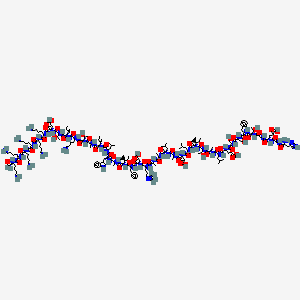
Glepaglutide
An investigational GLP-2 analogue for short bowel syndrome, with phase 3 evidence on dependence on intravenous support.
Phase 3 clinical evidence; investigational development
Practical use
Reviewed practical notes
- Match the condition
- Short bowel syndrome with intestinal failure is a specific clinical diagnosis.
- Check the target
- GLP-2 activity is not the same as GLP-1 activity.
- Keep support changes clinical
- A research endpoint is not an instruction to reduce prescribed intravenous nutrition or fluids.
Overview
Glepaglutide is a long-acting glucagon-like peptide-2 analogue being studied to improve intestinal absorption in short bowel syndrome with intestinal failure. GLP-2 and the GLP-1 target used by many weight-management medicines are different. This research concerns severe loss of intestinal function.
Risks and limitations
Participants required carefully managed parenteral support, meaning fluid or nutrition delivered intravenously. A trial description of tolerability is not a complete safety assessment, and reducing that support requires clinical management rather than self-directed changes.
How to read this
Zealand’s current program page describes glepaglutide as investigational and not approved for short bowel syndrome by the FDA or another health authority. It reports that recruitment for a second pivotal trial began in January 2026. That is development status, not authorization for routine treatment.
Research explained
EASE-1 randomized phase 3 trial
Who was studied
106 adults with short bowel syndrome and intestinal failure randomized and treated in a 24-week placebo-controlled trial.
What was found
One active treatment condition reduced weekly parenteral-support volume more than placebo. The other active condition did not achieve a statistically significant primary comparison.
What it cannot establish
This is an intestinal-failure endpoint, not evidence for routine digestive complaints. A published corrigendum is indexed; its full text was not available in this review. Detailed numerical tables are therefore not reproduced here.
Read the original studyCurrent development remains separate from a positive result
The sponsor’s current page independently reports the favorable EASE-1 primary comparison and describes another pivotal study. A promising trial does not make the candidate an approved substitute for established clinical care.
Supporting sourceCorrection history remains visible
The phase 3 publication has a linked corrigendum. The correction record is retained here so readers can check the corrected publication before relying on detailed estimates.
Supporting sourceSources
Zealand current development and approval statement
Linked 2025 corrigendum record
Sources checked 2026-10-01.
General education; not a personal treatment plan.