

Peptides
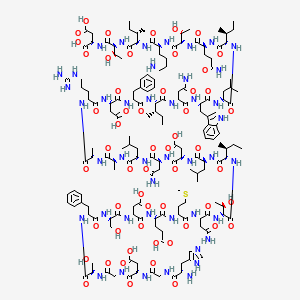
Teduglutide
A GLP-2 analogue that can reduce intravenous nutrition or fluid needs in short-bowel syndrome with intestinal failure.
Randomized short-bowel intestinal-failure evidence; specialist application
Also known as: Gattex · Revestive · GLP-2 analogue
Practical use
Clinical context and evidence interpretation
- Define the baseline burden
- In a clinical review, quantify weekly support volume, days requiring support and the reason it is needed.
- Compare like with like
- Ask whether a result means fewer liters, fewer support days or complete independence; keep follow-up duration visible.
- Keep the specialist plan central
- Changes in support and other medicines need the intestinal-failure team’s measurements and judgment. A paper’s responder threshold is not a self-adjustment rule.
Overview
Teduglutide activates GLP-2 receptors and supports intestinal adaptation and absorption. US Gattex is indicated for adults and children aged at least one year with short-bowel syndrome who depend on parenteral support—nutrition or fluids delivered outside the gastrointestinal tract.
Risks and limitations
Concerns include acceleration of abnormal tissue growth, intestinal obstruction, gallbladder or pancreatic disease and fluid overload. Better absorption can increase exposure to other oral medicines. Severe abdominal swelling or pain with vomiting, breathing difficulty or rapid fluid retention warrants prompt medical assessment.
How to read this
The important clinical outcome is safely reducing support while maintaining hydration and nutrition. Intestinal growth is not automatically useful in a person with an otherwise functioning bowel.
Research explained
STEPS: parenteral-support reduction
Who was studied
86 patients with short-bowel syndrome and intestinal failure, randomized equally to teduglutide or placebo for 24 weeks. Support reductions followed a predefined monitoring algorithm.
What was found
A reduction greater than 20% in support volume at weeks 20 and 24 occurred in 27/43 (63%) versus 13/43 (30%). Average weekly volume fell 4.4 versus 2.3 liters. Among those assessed for support days, 54% versus 23% reduced the weekly requirement by at least one day.
What it cannot establish
Responding did not mean complete independence from parenteral support. The placebo group also improved under structured care. This is not evidence for treating nonspecific bloating, ordinary digestive discomfort or physique goals.
Read the original studyReduction is not independence
The trial’s responder threshold was a decrease in required support. It did not mean the intestine had become normal or that IV support could be stopped.
Supporting sourceMonitoring is part of the intervention
The label includes bowel surveillance, laboratory evaluation and review of fluid balance and oral medicines. Improved absorption changes the management problem; it does not remove it.
Supporting sourceClaims versus findings
Incorrect
GLP-2 means the same clinical purpose as a GLP-1 weight-loss medicine.
The cited evidence concerns intestinal failure and parenteral support. Receptor names that look similar do not establish the same physiological role or indication.
Check the evidenceCommon questions
Was the 63% response rate a cure rate?
No. It meant the study’s support-volume reduction threshold was met at specified visits.
SourceSources
STEPS: parenteral-support reduction
US prescribing information; checked October 1, 2026
Sources checked 2026-10-01.
General education; not a personal treatment plan.