

Nootropics
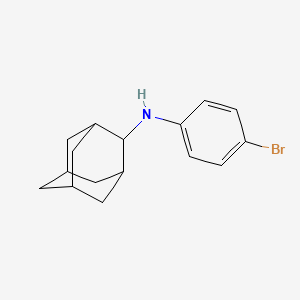
Bromantane
A psychoactive compound with limited neurasthenia research, not an established general productivity aid.
Small older clinical literature; limited reporting
Also known as: bromantan
Practical use
Reviewed practical notes
- Retain the diagnosis
- A fatigue-related patient trial does not establish benefits for healthy productivity.
- Ask for missing details
- Sample size and effect magnitude are absent from the reviewed 2009 abstract.
- Limit safety conclusions
- Brief monitoring cannot prove that a psychoactive substance has no dependence risk.
Overview
Bromantane, also spelled bromantan, was investigated for neurasthenia, a diagnosis involving fatigue and related symptoms. A result in that clinical setting does not establish improved motivation, cognition or resilience in healthy people.
Risks and limitations
The older trial reported no withdrawal syndrome during a brief observation period. That is insufficient to establish that dependence, interactions or long-term harms are impossible. Broad claims that the compound is nonaddictive exceed what that short follow-up can show.
How to read this
WADA lists bromantan as prohibited in competition in 2026. This guide does not establish a current medicinal authorization in any jurisdiction. A research or sport classification is not a quality check on products sold under the name.
Research explained
Randomized neurasthenia trial
Who was studied
Patients with neurasthenia in a blinded placebo-controlled study lasting 28 days, followed by a brief placebo period.
What was found
The English abstract reports faster and greater improvement in asthenic symptoms with bromantane than placebo.
What it cannot establish
The abstract does not provide a sample size or usable effect estimate. Short follow-up and the specific diagnosis limit conclusions about healthy users and long-term safety.
Read the original studySymptoms and EEG characteristics
Who was studied
People with neurasthenia assessed with symptom scales and electrophysiological measurements.
What was found
Reported responses to both active treatment and placebo varied with baseline characteristics.
What it cannot establish
An exploratory association with EEG findings is not a validated method for predicting who benefits. The abstract does not establish robust everyday cognitive enhancement.
Read the original studyA brief withdrawal observation has a narrow meaning
The absence of observed symptoms during one short study period cannot establish a lifetime absence of dependence risk. Follow-up length, prior exposure and how withdrawal was measured all matter.
Supporting sourceSources
Sources checked 2026-10-01.
General education; not a personal treatment plan.