

Hair and skin
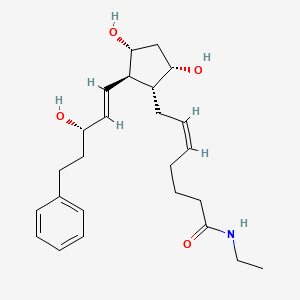
Bimatoprost
A prostaglandin analogue with evidence for eyelash growth; eyelash trials do not establish scalp-hair regrowth.
Randomized eyelash-hypotrichosis evidence; checked 2026-10-01
Also known as: Latisse · Lumigan
Practical use
Clinical purpose, evidence and review questions
- Compare like with like
- Use similar lighting and an agreed clinical outcome when reviewing changes; distinguish appearance from eye-health effects.
- Disclose eye care
- Bring glaucoma medicines, previous eye procedures and relevant eye conditions to the review.
- Read the response definition
- Ask whether an advertised percentage concerns responders, length, thickness or satisfaction.
Overview
This guide focuses on US Latisse for eyelash hypotrichosis, meaning inadequate eyelashes. Bimatoprost changes the eyelash-growth response. It also appears in ophthalmic products for eye-pressure management, where the product purpose and monitoring differ.
Risks and limitations
Itching, eye redness and eyelid pigmentation can occur. Iris darkening may be permanent. Eye-pressure interactions matter for people already using glaucoma medicines; eye inflammation and macular-edema history also warrant review. New eye pain or vision changes should be assessed promptly.
How to read this
Visible growth, patient satisfaction and persistence after stopping are separate questions. A cosmetic result does not establish equal effects at other hair-bearing sites.
Research explained
One-year eyelash-hypotrichosis study
Who was studied
Participants with idiopathic or chemotherapy-related eyelash hypotrichosis entered a masked randomized trial with two six-month periods and vehicle comparisons. The primary composite response was assessed at month four.
What was found
Response was 40.2% versus 6.8% for idiopathic hypotrichosis and 37.5% versus 18.2% after chemotherapy. The composite required improvement in both investigator-rated prominence and a patient questionnaire. In the idiopathic group, effects markedly diminished four to six months after stopping.
What it cannot establish
This does not mean every participant gained 40% more lashes. It was a responder proportion, and the cited study was not a scalp-pattern-hair-loss trial.
Read the original studyThe percentage describes people meeting criteria
A composite responder must pass specified thresholds. This differs from the average change in lash length, thickness or darkness.
Supporting sourceThe eye deserves its own medication history
A lash product can matter to an ophthalmologist, particularly when other prostaglandin eye medicines are present. Include it in the medication list.
Supporting sourceClaims versus findings
Not established
An eyelash result proves the same treatment regrows scalp hair.
Different hair sites and diagnoses need their own controlled studies; the cited population had eyelash hypotrichosis.
Check the evidenceCommon questions
Is the cosmetic effect necessarily permanent?
No. The trial reported loss of much of the effect after treatment cessation in idiopathic hypotrichosis.
SourceSources
One-year eyelash-hypotrichosis study
US prescribing information; checked October 1, 2026
Sources checked 2026-10-01.
General education; not a personal treatment plan.