

SARMs
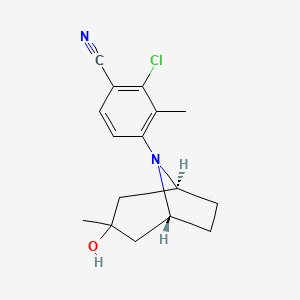
ACP-105
An experimental androgen-receptor modulator with rat pharmacology and human metabolism research; detecting a compound is different from proving a benefit.
Preclinical pharmacology plus human analytical metabolism; no efficacy trial in these sources
Practical use
Evidence interpretation and clinical context
- Identify the study’s purpose
- Separate metabolism and detection research from trials that measure patient outcomes.
- Keep species visible
- Attach rat to any anabolic claim based on the discovery study.
- Ask what remains unmeasured
- A credible summary identifies missing clinical benefit and long-term safety endpoints.
Overview
ACP-105 is a nonsteroidal selective androgen-receptor modulator. Its discovery research examined whether androgen signaling could favor muscle-related effects over reproductive tissues. That research question does not establish a safe performance-enhancing medicine.
Risks and limitations
The cited human work was designed to identify metabolites, not establish therapeutic safety. It cannot quantify liver, cardiovascular, fertility or long-term endocrine risks. FDA also warns of serious harms associated with the SARM class.
How to read this
A metabolism study can confirm that a substance was processed by the body without measuring strength, muscle growth or patient benefit. This distinction is especially important when a reference list is advertised as human evidence.
Research explained
Synthesis, structure-activity relationships, and characterization of novel nonsteroidal and selective androgen receptor modulators.
Who was studied
Laboratory receptor experiments and short-term studies in castrated male rats.
What was found
ACP-105 behaved as a partial androgen-receptor agonist and produced anabolic effects in the rat model, with a different tissue-response pattern from testosterone.
What it cannot establish
Castrated rats are an androgen-deficient experimental model. Organ-weight responses do not establish athletic performance, chronic toxicity or a clinical advantage in people.
Read the original studyA multivariate data analysis approach for the investigation of in vitro derived metabolites of ACP-105 in comparison with human in vivo metabolites.
Who was studied
Laboratory liver preparations and urine collected after a human exposure.
What was found
Researchers characterized ACP-105 metabolites to improve analytical identification.
What it cannot establish
This was analytical research. It did not test hypertrophy, function, a treatment indication or a safe pattern of human use.
Read the original studyRegulatory status
FDA states that SARMs are unapproved drugs, not dietary supplements.
Supporting sourceWhat selective means here
Selectivity describes the relative response of tissues under the experiment’s conditions. It is not a claim that only muscle responds or that hormonal feedback is unaffected.
Supporting sourceClaims versus findings
Not supported
Human metabolism data establish human muscle-building efficacy.
The human study identified metabolites rather than testing muscle or functional outcomes.
Check the evidenceCommon questions
Does partial agonism mean weak or harmless?
No. It describes receptor activity in a particular system; it does not supply a clinical safety margin.
SourceSources
Regulatory status — primary or official source
Sources checked 2026-10-01.
General education; not a personal treatment plan.