

Performance supplements
Acetyl-L-carnitine
A carnitine derivative whose neuropathy findings differ sharply between prevention and treatment settings.
Human trials; important setting-specific harm
Also known as: ALCAR · acetylcarnitine
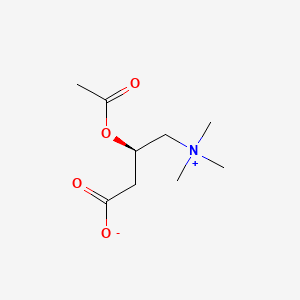
Practical use
Reviewed practical notes
- Check timing
- Was the compound started before nerve injury or after symptoms were established?
- Keep the endpoint
- A change in neuropathy grade is not a measurement of muscle growth or exercise recovery.
- Act on the relevant signal
- During taxane treatment, the prevention trial is more relevant than generic claims about nerve support.
Overview
Acetyl-L-carnitine, often called ALCAR, has been studied for nerve symptoms. Calling it a nerve-support supplement hides a crucial distinction: preventing injury during chemotherapy and treating established symptoms are different clinical questions.
Risks and limitations
In the SWOG prevention trial, women receiving taxane chemotherapy had worse neuropathy with acetyl-L-carnitine than placebo across two years. This finding is directly relevant to that treatment setting and should not be dismissed because the product is a supplement.
How to read this
People receiving cancer treatment should bring any proposed supplement to their oncology team. Neither a favorable neuropathy trial nor a biochemical rationale establishes better fat loss, cognition, or gym recovery in healthy users.
Research explained
Long-term follow-up of taxane neuropathy prevention
Who was studied
409 evaluable women receiving adjuvant taxane chemotherapy for breast cancer; randomized placebo comparison with follow-up through 104 weeks.
What was found
Neuropathy was worse with acetyl-L-carnitine across the two-year follow-up. The longitudinal symptom-score difference was −1.39 points (95% CI −2.48 to −0.30); lower scores indicated worse symptoms.
What it cannot establish
This is prevention during a specific chemotherapy setting. It does not establish the same effect in every disease or with every carnitine formulation.
Read the original studyTreatment of existing chemotherapy neuropathy
Who was studied
239 patients with chemotherapy-induced peripheral neuropathy; randomized, double-blind placebo-controlled study.
What was found
At eight weeks, at least one grade of improvement was reported in 50.5% versus 24.1% in the full analysis set.
What it cannot establish
Different patients, timing and outcomes from the prevention trial; this result cannot cancel the prevention harm signal or justify self-treatment.
Read the original studySimilar names do not make findings interchangeable
An ALCAR neuropathy study does not evaluate every L-carnitine product. Match the exact compound, clinical setting and endpoint before using one trial to support another product’s claims.
Supporting sourceSources
2017 neuropathy treatment trial
Sources checked 2026-10-01.
General education; not a personal treatment plan.