

Performance supplements
L-carnitine
Muscle uptake and the accompanying diet are central; oral research does not validate injectable fat-loss claims.
Small prolonged oral-feeding trials
Practical use
Applying the explained evidence
- Where it fits
- Muscle uptake and the accompanying diet are central; oral research does not validate injectable fat-loss claims.
- Put the information into practice
- The notable exercise experiments combined oral carnitine with substantial carbohydrate feeding. They did not isolate an injection regimen or show rapid fat loss in ordinary dieting conditions.
- Connect evidence to your training
- Specify the outcome you want to improve and a repeatable way to measure it. Check whether the study participants, activity and product match the claim; avoid crediting one supplement for changes made alongside several training or diet changes.
- Keep this limit in view
- The twelve-week finding was prevention of gain relative to carbohydrate-only feeding.
Overview
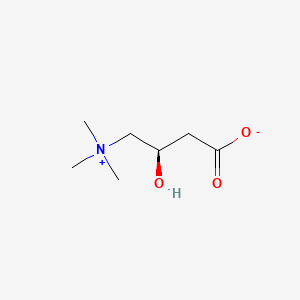
L-carnitine participates in transporting long-chain fatty-acid groups for mitochondrial metabolism. Increasing blood availability is not the same as increasing the muscle pool. Prescription levocarnitine has deficiency-related indications distinct from physique marketing.
Risks and limitations
Levocarnitine labeling reports gastrointestinal complaints and body odor; seizures have been reported with oral or intravenous use. Postmarketing reports do not provide a precise event probability. Different routes cannot inherit identical safety assumptions.
How to read this
The notable exercise experiments combined oral carnitine with substantial carbohydrate feeding. They did not isolate an injection regimen or show rapid fat loss in ordinary dieting conditions.
Research explained
Muscle content and work output
Who was studied
14 healthy men; randomized double-blind carbohydrate-only versus carnitine-plus-carbohydrate study over 24 weeks.
- Muscle carnitine increase
- 21 %
- Active-arm work increase from baseline
- 11 %
What was found
Muscle total carnitine rose 21% in the active group. Work output improved 11% from that group’s baseline; control showed no change. Significant reported effects emerged at 24 weeks.
What it cannot establish
Tiny sample and substantial carbohydrate co-intervention. The 11% is a within-group change, not a published 11% adjusted treatment difference.
Read the original studyPreventing gain is not losing existing fat
Who was studied
12 men, six per group; 12-week carbohydrate-feeding experiment.
What was found
Control gained 1.9 kg body weight and 1.8 kg fat mass; the carnitine group did not significantly change. Muscle carnitine and energy expenditure increased in the active group.
What it cannot establish
This is attenuation of gain under added carbohydrate, not proof of fat loss during calorie restriction.
Read the original studyWhy uptake matters
Muscle biopsy directly measured the compartment of interest. An immediate rise in circulating carnitine cannot substitute for that endpoint.
Supporting sourceThe comparator changes the claim
Both groups received carbohydrate. Describing the study as a fat-loss supplement trial omits its central dietary condition.
Supporting sourceDifferent exercise intensities
The 24-week experiment found different substrate responses at lower and higher workloads, rather than one simple all-purpose fat-burning effect.
Supporting sourceRoute is a major evidence gap
These oral feeding studies do not establish the benefit or safety of self-injected products.
Supporting sourceMedical use is not performance approval
The label’s deficiency-related indications do not establish a bodybuilding benefit or a universal healthy-person deficiency.
Supporting sourceClaims versus findings
Not established
The trial proves rapid fat loss.
The twelve-week finding was prevention of gain relative to carbohydrate-only feeding.
Check the evidenceCommon questions
Is the 11% improvement a guaranteed treatment effect?
No. It is the active group’s baseline change in a small specific experiment.
SourceSources
Twenty-four-week muscle-loading study
Twelve-week energy-metabolism study
Levocarnitine prescribing information
Sources checked 2026-09-28.
General education; not a personal treatment plan.