

SARMs
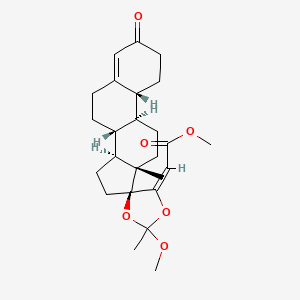
YK-11
A steroidal androgen-receptor research compound associated with follistatin expression in cultured mouse muscle cells.
Compound-specific research / important limitations
Also known as: YK11
Practical use
Applying the explained evidence
- Where it fits
- A steroidal androgen-receptor research compound associated with follistatin expression in cultured mouse muscle cells.
- Put the information into practice
- Compound identity is essential: a separate GLP-1 research paper uses the code YK-11 for a different chemical. That paper has been excluded from this entry.
- Check the exact molecule
- Keep the named molecule separate from a broad category claim. Check whether a finding comes from a human intervention, laboratory mechanism or analytical test before interpreting it as a performance benefit.
- Keep this limit in view
- Cell differentiation is not measured muscle gain in a person. This does not establish whole-body myostatin inhibition, long-term benefit, or human dosing.
Overview
The widely repeated myostatin-blocker claim traces in part to experiments in C2C12 mouse myoblasts. These are cultured cells, not a trial of muscle growth in people.
Risks and limitations
The cited cell and equine studies do not establish human safety, fertility effects, long-term adverse-event rates or a therapeutic window. A failure to measure an adverse effect is not a finding that it does not occur.
How to read this
Compound identity is essential: a separate GLP-1 research paper uses the code YK-11 for a different chemical. That paper has been excluded from this entry.
Research explained
Follistatin and muscle-cell differentiation
Who was studied
C2C12 mouse myoblasts exposed to YK11 or DHT in a laboratory experiment.
What was found
YK11 increased follistatin expression and markers of muscle-cell differentiation. An antibody against follistatin reversed the differentiation response, supporting a role for that pathway in this model.
What it cannot establish
Cell differentiation is not measured muscle gain in a person. This does not establish whole-body myostatin inhibition, long-term benefit, or human dosing.
Read the original studyHorse metabolism
Who was studied
Two Thoroughbred horses, plus equine liver preparations, studied for analytical detection.
What was found
The investigators found 79 metabolites in vitro but much less overlap with the in-vivo pattern; parent compound and seven phase-I metabolites appeared in plasma, while 11 phase-I metabolites appeared in urine.
What it cannot establish
A large metabolite count does not demonstrate benefit. The mismatch illustrates why in-vitro predictions and animal findings require confirmation in the population of interest.
Read the original studyFrom pathway finding to marketing claim
The laboratory study supports a mechanistic question about follistatin in muscle-cell differentiation. It does not prove the much broader proposition that an online product removes a person’s genetic muscle-growth limit. That claim requires human outcomes and safety evidence that these experiments did not provide.
Supporting sourceWhy names alone are not enough
Research code names can be reused. The indolecarboxylic-acid GLP-1 agonist described in a different medicinal-chemistry paper is not the steroidal SARM covered here. Its potency numbers and receptor findings must not be merged into this article.
Supporting sourceSources
Follistatin and muscle-cell differentiation
Why names alone are not enough
Sources checked 2026-09-28.
General education; not a personal treatment plan.