

Metabolic medicines
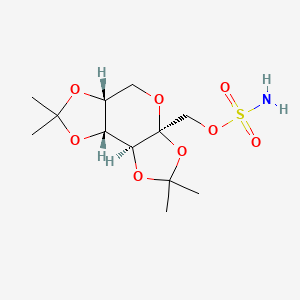
Topiramate
An antiseizure medicine also used for migraine prevention; its cognitive and metabolic effects matter when weight loss is discussed.
Randomized migraine-prevention evidence; separate combination weight indication; checked 2026-10-01
Also known as: Topamax
Practical use
Clinical purpose, evidence and review questions
- Keep a relevant outcome diary
- Track migraine frequency or the prescribed condition, along with concentration, word finding and function.
- Discuss heat and kidney history
- Include kidney stones, heat intolerance and relevant diet or medication changes.
- Review reproductive plans
- Bring pregnancy and contraception questions to the prescriber because product-specific risks and interactions matter.
Overview
Topiramate affects neuronal signaling through several mechanisms. US Topamax is indicated for specified epilepsies and migraine prevention. In Qsymia it is combined with phentermine for weight management. Topiramate alone and the extended-release combination are distinct evidence questions.
Risks and limitations
Important risks include cognitive slowing, word-finding difficulty, mood changes, metabolic acidosis, kidney stones and reduced sweating with heat illness. Sudden eye pain or vision change can indicate acute glaucoma and needs urgent assessment. Fetal harm, contraceptive interactions and serious skin reactions also require review.
How to read this
A change in appetite or weight must be weighed against cognition, hydration, heat tolerance and the primary condition being treated. More weight loss is not automatically a better overall outcome.
Research explained
MIGR-002: migraine prevention
Who was studied
483 patients aged 12–65 randomized in a 26-week double-blind placebo-controlled trial at 52 centers; 468 contributed post-baseline efficacy data.
What was found
Two active groups reduced monthly migraine frequency by 2.1 and 2.4 attacks versus 1.1 with placebo. At least a 50% reduction occurred in 39%, 49% and 47% across three active groups versus 23% with placebo. Tingling, fatigue and nausea caused some discontinuations.
What it cannot establish
The endpoint was preventive migraine benefit, not treatment of an individual acute attack. The study does not establish cognitive enhancement or an obesity-treatment result for every formulation.
Read the original studyA responder threshold is not the average change
A 49% responder rate means 49% met a specified reduction threshold. It does not mean every participant had 49% fewer migraines.
Supporting sourceA weight-management combination adds another drug
Qsymia includes phentermine and its own formulation, indication and precautions. The combination’s outcomes cannot be attributed to topiramate alone.
Supporting sourceClaims versus findings
Not necessarily
A weight decrease proves treatment is beneficial overall.
Cognition, mood, metabolic effects, pregnancy risk and the treated disorder remain part of the benefit–risk assessment.
Check the evidenceCommon questions
Was this a medicine to stop a migraine already underway?
The cited trial studied prevention by reducing attack frequency over time.
SourceSources
US prescribing information; checked October 1, 2026
Additional product-specific source
Sources checked 2026-10-01.
General education; not a personal treatment plan.