

Nootropics
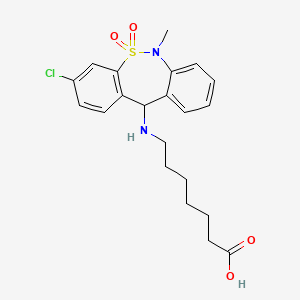
Tianeptine
A psychoactive drug with mu-opioid receptor activity, serious poisoning and withdrawal risks, and no US approval.
Receptor pharmacology; poisoning surveillance; FDA warning
Practical use
Reviewed practical notes
- Recognize the pharmacology
- Mu-opioid activity matters when judging dependence and overdose claims.
- Respond to severe symptoms
- Breathing problems or reduced consciousness need emergency help.
- Get help for withdrawal
- Do not improvise a home taper or substitute other unregulated products.
Overview
Tianeptine has antidepressant-use history in some countries, but FDA states it is not approved for any medical use in the United States. Receptor experiments identify mu-opioid agonist activity. Describing it as a routine nootropic or supplement hides pharmacology relevant to dependence and poisoning.
Risks and limitations
FDA warns about serious harm, overdose and death from tianeptine products. Dependence and withdrawal can occur. Severe breathing difficulty, unusual unresponsiveness or collapse after a suspected exposure requires emergency assessment; withdrawal concerns also need medical care.
How to read this
A product’s availability does not establish approval, safety or truthful contents. Evidence from poison-center calls is useful for detecting hazards, but cannot give the risk per user because the total exposed population is unknown.
Research explained
Opioid-receptor pharmacology
Who was studied
Laboratory receptor-binding and functional assays.
What was found
The investigators identified tianeptine as a mu-opioid receptor agonist.
What it cannot establish
A receptor experiment helps explain potential effects; it does not establish clinical benefit, a safe consumer use or an individual probability of dependence.
Read the original studyUS poison-center exposure reports
Who was studied
218 reported exposures during 2000–2017, analyzed by CDC.
What was found
Reports described opioid-like toxicity and withdrawal; some involved other substances.
What it cannot establish
Poison-center data are selected reports, not a representative trial or a denominator of all users. Mixed exposures complicate attribution.
Read the original studyUS status is explicit
FDA’s consumer warning states that tianeptine is not approved in the United States and rejects unproven product claims about conditions such as mood, pain or cognition. Approval or clinical use elsewhere does not change that US status.
Supporting sourceSources
2018 CDC poison-center analysis
Sources checked 2026-10-01.
General education; not a personal treatment plan.