

Peptides
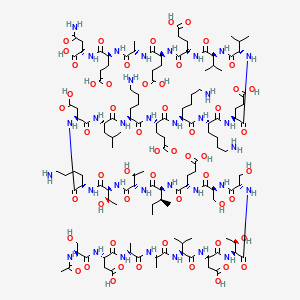
Thymosin alpha-1
An immune-modulating peptide whose large sepsis trial did not show a mortality benefit, despite earlier promising findings.
Large negative sepsis phase 3 trial alongside an earlier smaller trial
Also known as: Thymalfasin · Ta1 · Tα1
Practical use
Evidence interpretation and clinical context
- Use a disease-specific question
- Name the infection or clinical condition and the outcome being claimed.
- Read the largest direct trial
- Place TESTS beside ETASS rather than selecting only favorable findings.
- Avoid approval shortcuts
- A compounding nomination, database listing or foreign clinical use is not itself FDA approval.
Overview
Thymosin alpha-1, also known as thymalfasin, is investigated as an immune-modulating peptide. The relevant question is whether it improves a defined disease outcome, not whether it vaguely “boosts immunity.” Different infection and immune contexts cannot be treated as interchangeable.
Risks and limitations
The large sepsis trial found no significant overall safety difference, but that does not establish safety for general wellness use. FDA’s compounding-risk source describes immunogenicity and peptide-characterization concerns and insufficient safety information for proposed compounded products.
How to read this
Immune biomarkers can change without patients surviving longer. The newer, larger blinded trial deserves attention when older reports are used to support broad claims.
Research explained
The efficacy of thymosin alpha 1 for severe sepsis (ETASS): a multicenter, single-blind, randomized and controlled trial.
Who was studied
ETASS randomized 361 people with severe sepsis in a single-blind multicenter study.
What was found
Mortality was 26.0% versus 35.0%. Statistical interpretation varied by analysis, and the relative-risk confidence interval included no difference. An immune marker improved.
What it cannot establish
The trial was smaller and only single blind. A favorable point estimate with uncertainty is not a confirmed mortality reduction.
Read the original studyThe efficacy and safety of thymosin α1 for sepsis (TESTS): multicentre, double blinded, randomised, placebo controlled, phase 3 trial.
Who was studied
TESTS enrolled 1,106 adults with sepsis; 1,089 entered the modified intention-to-treat analysis in a double-blind placebo-controlled phase 3 trial.
What was found
28-day mortality was 23.4% with thymosin alpha-1 and 24.1% with placebo; hazard ratio 0.99, 95% CI 0.77–1.27. No secondary or safety outcome significantly differed overall.
What it cannot establish
The primary finding was negative. Subgroup signals do not establish routine benefit or justify general immune-optimization claims.
Read the original studyCurrent US compounding context
FDA lists thymosin alpha-1 in the nominated-but-withdrawn section of its compounding safety-risk page. That is a regulatory safety discussion, not an FDA drug approval or evidence of wellness efficacy.
Supporting sourceWhy the newer trial matters
A large blinded trial can clarify uncertainty left by an earlier smaller study. An accurate account should not quote the earlier mortality percentages without the later negative result.
Supporting sourceClaims versus findings
Not supported by the large trial
Thymosin alpha-1 reliably reduces sepsis mortality.
TESTS did not demonstrate a reduction in 28-day all-cause mortality.
Check the evidenceCommon questions
Does an immune-marker improvement mean fewer infections in healthy people?
No. A laboratory change in severe sepsis does not establish prevention or benefit in a healthy population.
SourceSources
Current US compounding context — primary or official source
Sources checked 2026-10-01.
General education; not a personal treatment plan.