

Performance supplements
Taurine
Human vascular findings are promising but do not prove lifespan extension or cardiovascular protection during PED use.
Randomized vascular studies
Practical use
Applying the explained evidence
- Where it fits
- Human vascular findings are promising but do not prove lifespan extension or cardiovascular protection during PED use.
- Put the information into practice
- Clinic pressure, ambulatory pressure, vessel responsiveness and actual cardiovascular events are separate outcomes. The studies below did not count prevented heart attacks or years of life gained.
- Connect evidence to your training
- Specify the outcome you want to improve and a repeatable way to measure it. Check whether the study participants, activity and product match the claim; avoid crediting one supplement for changes made alongside several training or diet changes.
- Keep this limit in view
- The prehypertension study did not examine PED combinations or their event risk.
Overview
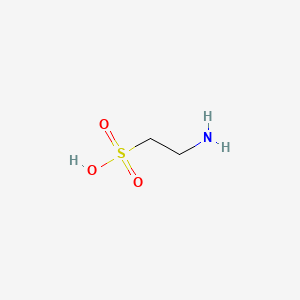
Taurine is a sulfur-containing amino compound involved in cellular regulation. Its presence in an energy drink does not make that mixed product equivalent to a controlled taurine-only intervention.
Risks and limitations
The trials measured blood-pressure reductions, so baseline pressure and other treatment matter. Short follow-up and selected clinical populations cannot exclude uncommon effects or establish safety of multi-ingredient stimulant combinations.
How to read this
Clinic pressure, ambulatory pressure, vessel responsiveness and actual cardiovascular events are separate outcomes. The studies below did not count prevented heart attacks or years of life gained.
Research explained
Pressure in prehypertension
Who was studied
120 eligible participants randomized to taurine or placebo for 12 weeks.
- Clinic systolic reduction: taurine
- 7.2 mmHg
- Clinic systolic reduction: placebo
- 2.6 mmHg
What was found
Clinic systolic pressure fell 7.2 mmHg with taurine versus 2.6 with placebo; ambulatory systolic reductions were 3.8 versus 0.3 mmHg. Vessel responsiveness also improved.
What it cannot establish
These are group changes and surrogate endpoints, not a cardiovascular-event reduction estimate.
Read the original studyA newer diabetes population
Who was studied
165 people with type 2 diabetes; 82 active and 83 placebo, twelve-week randomized study.
What was found
The report found lower systolic pressure and improved vascular-function measures relative to placebo. Platelet calcium-influx activation was also reduced.
What it cannot establish
The accessed abstract does not supply effect sizes for these endpoints; no numbers have been invented. Participants were around 60 years old, not healthy young lifters.
Read the original studyClinic versus ambulatory readings
The prehypertension study reported a larger clinic than ambulatory change. Choosing only the larger number would hide an important measurement distinction.
Supporting sourceMechanisms and outcomes
Hydrogen-sulfide signaling and calcium-entry experiments suggest pathways; they do not independently demonstrate fewer clinical events.
Supporting sourceWhy diabetes data are not universal
Vascular dysfunction in older adults with diabetes is a particular disease context. Transfer to athletes requires direct evidence.
Supporting sourceAn energy drink is a different intervention
Neither trial tested taurine with caffeine, sugar and other stimulants as a commercial mixture.
Supporting sourceA biomarker is not longevity
Twelve-week vascular and platelet measurements cannot establish slowed aging or longer human survival.
Supporting sourceClaims versus findings
Not established
Taurine proves a cycle is heart-safe.
The prehypertension study did not examine PED combinations or their event risk.
Check the evidenceCommon questions
Do the newer results establish a precise personal pressure drop?
No. The abstract reports group-level findings without numerical effects, and individuals can differ.
SourceSources
Prehypertension randomized study
Type 2 diabetes vascular study
Sources checked 2026-09-28.
General education; not a personal treatment plan.