

Androgens
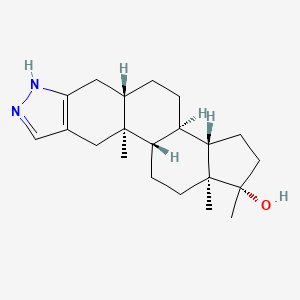
Stanozolol
An anabolic androgen with human evidence of substantial changes in cholesterol markers.
Human research / important limitations
Also known as: Winstrol
Practical use
Applying the explained evidence
- Where it fits
- An anabolic androgen with human evidence of substantial changes in cholesterol markers.
- Put the information into practice
- The study should not be read as a comprehensive ranking of steroid safety. A six-week lipid response cannot settle liver, fertility, psychiatric or long-term cardiovascular outcomes.
- Formulation and purpose
- Write down the exact compound and formulation behind a claim. Compare the studied population and purpose with the situation being discussed; evidence for medical replacement does not automatically answer a physique-enhancement question.
- Keep this limit in view
- Very small study with different drugs and administration routes. It measured biomarkers rather than clinical cardiovascular events or long-term health.
Overview
Stanozolol is an anabolic steroid. A controlled crossover study in weightlifters compared an oral formulation with injectable testosterone; formulation and route were both part of that comparison.
Risks and limitations
During stanozolol exposure, mean HDL cholesterol fell 33% and LDL cholesterol rose 29% in the cited study. These are concerning risk-marker changes, not a measured percentage change in heart-attack risk.
How to read this
The study should not be read as a comprehensive ranking of steroid safety. A six-week lipid response cannot settle liver, fertility, psychiatric or long-term cardiovascular outcomes.
Research explained
Lipoproteins in weightlifters
Who was studied
11 male weightlifters; six-week treatment periods in a crossover design.
- Stanozolol: HDL change
- -33 %
- Stanozolol: LDL change
- 29 %
What was found
HDL declined 33% with stanozolol versus 9% with testosterone. LDL increased 29% with stanozolol and fell 16% with testosterone. Weight gain was similar.
What it cannot establish
Very small study with different drugs and administration routes. It measured biomarkers rather than clinical cardiovascular events or long-term health.
Read the original studyLiver-injury registry: a recognizable presentation
Who was studied
18 cases evaluated prospectively by the Latin American drug-induced liver-injury registry over 2013–2023; men aged 19–48 using stanozolol for aesthetic purposes.
What was found
Average latency to symptoms was 55 days. Jaundice and itching predominated; bilirubin was elevated even though GGT could remain normal or only slightly elevated.
What it cannot establish
This is a selected series of injured patients, not a denominator of all users. It cannot estimate the probability of injury or establish a harmless duration of exposure.
Read the original studyA lipid marker is not a heart-attack probability
The crossover study measured lipoproteins, including HDL and LDL. A 33% fall in HDL is not a 33% increase in heart-attack probability. The study also compared different drugs and routes, so it cannot isolate the contribution of each or provide an overall safety ranking.
Supporting sourceNormal-looking parts of a liver panel can mislead
In the registry cases, major bilirubin abnormalities did not require a similarly dramatic GGT elevation. Symptoms, bilirubin and the rest of the evaluation matter together. Yellowing eyes or skin, dark urine or persistent generalized itching should not be dismissed because one enzyme result appears near range.
Supporting sourceSources
Liver-injury registry: a recognizable presentation
Sources checked 2026-09-28.
General education; not a personal treatment plan.