

Performance supplements
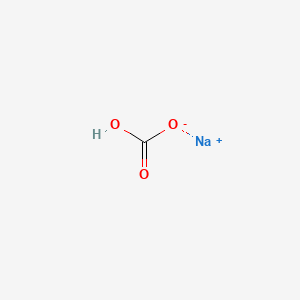
Sodium bicarbonate
An extracellular buffer with performance findings that depend on protocol and statistical interpretation.
Small randomized rowing studies
Practical use
Applying the explained evidence
- Where it fits
- An extracellular buffer with performance findings that depend on protocol and statistical interpretation.
- Put the information into practice
- Rowing studies provide a useful example of separating measurable physiology, small average performance differences, day-to-day variability and the analysis used to call a result beneficial.
- Connect evidence to your training
- Specify the outcome you want to improve and a repeatable way to measure it. Check whether the study participants, activity and product match the claim; avoid crediting one supplement for changes made alongside several training or diet changes.
- Keep this limit in view
- The repeated-trial study observed the physiological change without a substantial performance gain.
Overview
Sodium bicarbonate changes acid–base buffering outside muscle. A biochemical rise in blood bicarbonate does not by itself show an athlete will perform better. Its antacid labeling is separate from sports-research use.
Risks and limitations
The antacid label flags sodium-restricted diets and interactions with prescription medicines. Sports-use experiments do not establish suitability for people with fluid, electrolyte or medical problems. Tolerability and sodium exposure belong in the assessment.
How to read this
Rowing studies provide a useful example of separating measurable physiology, small average performance differences, day-to-day variability and the analysis used to call a result beneficial.
Research explained
Small average time difference
Who was studied
20 male rowers; randomized double-blind crossover 2,000-m ergometer trials.
- Time: bicarbonate
- 410.7 seconds
- Time: placebo
- 412 seconds
What was found
Mean times were 410.7 seconds with bicarbonate versus 412.0 with placebo. The conventional paired test was not statistically significant (P=0.095), although the authors’ magnitude-based analysis called benefit likely.
What it cannot establish
Different analytical frameworks yielded different wording. This is not definitive proof of a 1.3-second individual gain.
Read the original studyRepeated trials and variability
Who was studied
Seven well-trained rowers; acute, multi-day and placebo crossover conditions.
What was found
Average powers were 280 W, 282 W and 277 W, respectively; performance differences were judged trivial despite higher blood bicarbonate.
What it cannot establish
Tiny sample. Precision and normal trial-to-trial variation constrain conclusions.
Read the original studyBuffering is a mechanism, not a finish time
The reliability study changed blood bicarbonate without a substantial performance advantage.
Supporting sourceWhy the abstract sounds more positive
The twenty-rower paper used magnitude-based inference in addition to conventional testing. Readers should see both, rather than only its positive conclusion.
Supporting sourceA split is not the whole race
Some later 500-m splits improved, while the conventional full-distance test remained nonsignificant.
Supporting sourceNo guaranteed best timing
Responses varied and were measured under specific experimental conditions. These studies do not supply a universal personal schedule.
Supporting sourceMedical indication is distinct
An OTC antacid label supports indigestion relief, not an approval of athletic loading or a claim that sodium exposure is harmless.
Supporting sourceClaims versus findings
Not established
Higher blood bicarbonate guarantees faster rowing.
The repeated-trial study observed the physiological change without a substantial performance gain.
Check the evidenceCommon questions
Was the larger study unequivocally positive?
No. Its conventional test and magnitude-based interpretation differed.
SourceSources
Repeated rowing reliability experiment
Sodium bicarbonate antacid label
Sources checked 2026-09-28.
General education; not a personal treatment plan.