

Metabolic medicines
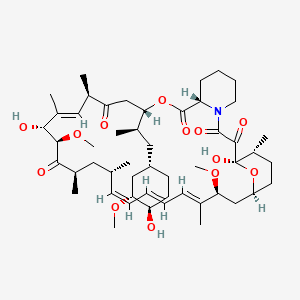
Sirolimus
An mTOR-inhibiting prescription medicine studied in healthy-aging research; human lifespan extension has not been demonstrated.
Human trials / population-specific evidence
Also known as: rapamycin · Rapamune
Practical use
Applying the explained evidence
- Where it fits
- An mTOR-inhibiting prescription medicine studied in healthy-aging research; human lifespan extension has not been demonstrated.
- Put the information into practice
- Longevity is a survival outcome. A change in a questionnaire, lean mass or an aging-related laboratory marker is not proof that people live longer.
- The outcome being treated
- Identify whether the evidence concerns a diagnosed condition, body weight, appetite or a laboratory marker. Check which outcomes were measured and over what follow-up before transferring a finding to another goal.
- Keep this limit in view
- Secondary and subgroup findings are exploratory rather than evidence of longer life. Several authors had employment or ownership interests in the company conducting the study. Compounded intermittent exposure is not interchangeable with transplant treatment.
Overview
Sirolimus is an immunosuppressant with established uses including renal-transplant rejection prevention and lymphangioleiomyomatosis. Those uses must be distinguished from experimental attempts to alter aging.
Risks and limitations
The label warns about serious infection and malignancy with immunosuppression, impaired wound healing, lipid elevation, protein in urine, lung inflammation and reproductive harm. Fever, new breathing difficulty or a poorly healing wound needs medical assessment. A reassuring short trial does not remove these established cautions.
How to read this
Longevity is a survival outcome. A change in a questionnaire, lean mass or an aging-related laboratory marker is not proof that people live longer.
Research explained
PEARL healthy-aging trial
Who was studied
48-week randomized, placebo-controlled study of intermittent compounded rapamycin in a selected healthy-aging population.
What was found
The primary visceral-fat outcome did not improve: effect-size estimate 0.001, P=0.942. Adverse and serious adverse events were similar across groups. Selected female-subgroup lean-mass and pain outcomes favored the higher active arm, and some self-reported health measures improved.
What it cannot establish
Secondary and subgroup findings are exploratory rather than evidence of longer life. Several authors had employment or ownership interests in the company conducting the study. Compounded intermittent exposure is not interchangeable with transplant treatment.
Read the original studyPharmacokinetics and interaction context
The label reports a terminal half-life of 62 ± 16 hours in stable renal-transplant patients. CYP3A4 and P-glycoprotein interactions can materially change exposure. Strong inhibitors or inducers, grapefruit and live vaccines require particular attention. This pharmacokinetic value comes from a defined patient population and is not a self-treatment schedule.
Supporting sourceHow to read the longevity claim
The PEARL trial provides information about 48-week tolerability and selected functional or body-composition measures. It did not demonstrate a reduction in its primary visceral-adiposity endpoint or establish an extension of human lifespan. Positive secondary findings should remain visible beside that negative primary result.
Supporting sourceSources
Pharmacokinetics and interaction context
Sources checked 2026-09-28.
General education; not a personal treatment plan.